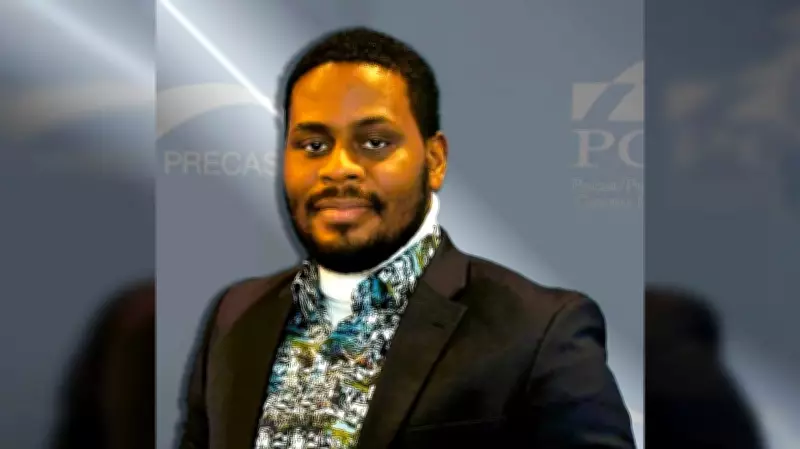
A Nigerian structural engineer is leveraging artificial intelligence to revolutionize how the world constructs and maintains its bridges, moving from reactive inspections to proactive, data-driven care. Osazee Harrison Oravbiere, a doctoral researcher at the University of Georgia in the United States, has developed a generative design framework that employs AI to create bridge girders that are both lighter and stronger.
Innovative Use of Ultra-High-Performance Concrete
By utilizing ultra-high-performance concrete (UHPC), Oravbiere's system aligns with the goals of the U.S. Federal Highway Administration (FHWA) to build resilient infrastructure that endures time and traffic. The core of his philosophy is a radical shift in perspective: treating massive steel and concrete structures as living systems rather than static objects.
Bridges require regular check-ups throughout their life cycle, much like a medical patient, rather than receiving attention only after visible problems emerge. Just as people track changes like fever, stress, or hormonal shifts, bridges constantly respond to traffic, aging, and environmental conditions. Real-time monitoring allows engineers to detect microscopic deterioration long before it leads to failure.
Real-World Application and Support
Supported by the Georgia and Iowa Departments of Transportation, Oravbiere has already applied his sensor-based approach to highway bridges across both states. Using vibration-based sensors, he assesses structural stiffness to identify weaknesses before they escalate into safety hazards. While currently focused on highway infrastructure, the researcher notes that this AI-driven technique is versatile enough to be applied across various sectors, including railroads, dams, nuclear facilities, and high-rise buildings.
Significance for Nigeria
The implications of this research are particularly significant for Oravbiere's home country. Nigeria has recorded over 90 bridge collapses in the past 26 years, often triggered by flooding, overloading, or inadequate maintenance. By combining AI-optimized design with continuous digital monitoring, Oravbiere believes engineers can prevent these catastrophic failures and significantly extend the lifespan of critical infrastructure in developing regions.
Benjamin Graybeal, a leading UHPC expert at the FHWA, has commended the work for advancing knowledge in the field. Oravbiere recently presented his findings to the Centre for Regional and Rural Connected Communities (CR2C2), emphasizing that the ultimate goal of his research is to provide engineers with the tools to make more confident, data-backed decisions.
Impactful research is not just about innovation, but about translating ideas into tools that help people. This framework represents a significant step toward safer, more durable infrastructure globally.