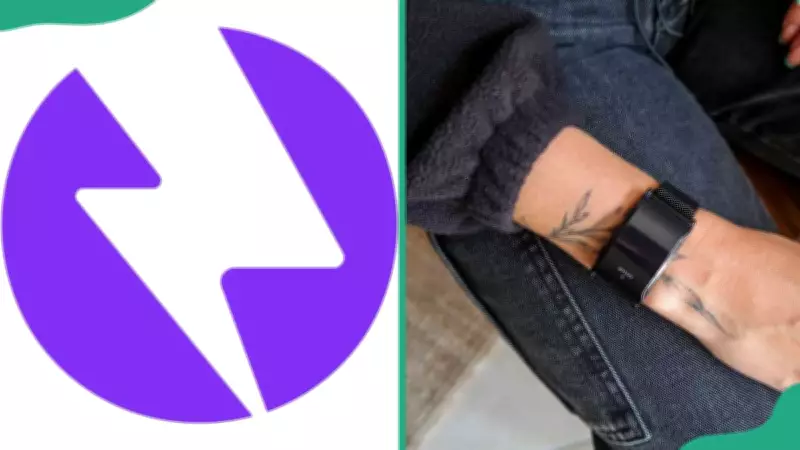
Pavlok's Post-Shark Tank Evolution: A Success Story Without a Deal
Pavlok, the wearable device designed to help users break bad habits through mild electric shocks, vibrations, and notifications, made headlines when its founder, Maneesh Sethi, rejected a $500,000 deal on Shark Tank. This bold decision has since paid off, as the company transformed from a simple gadget into a comprehensive global behavior change platform, leveraging the show's exposure to drive growth and innovation.
Turning Down the Sharks: A Strategic Move
During its appearance on Shark Tank in September 2015, Pavlok sought $500,000 for 3.14% equity, valuing the company at approximately $15.9 million. However, the Sharks, including Kevin O'Leary, expressed concerns over the lack of proprietary clinical trials. O'Leary offered a $500,000 loan at 7.5% interest for the same stake, but Sethi declined, stating he would work with any Shark except O'Leary. This heated confrontation led to Sethi's ejection from the Tank, but it also generated viral controversy that boosted Pavlok's visibility.
In a 2017 Medium interview, Sethi explained his reasoning: "Yes, I would have taken a fair deal from the other Sharks, but finding a good partner is more important than money." He added that with existing revenue and happy customers, the company could achieve its goals organically, though the right investment could accelerate growth.

Leveraging Viral Exposure for Growth
Despite leaving without a deal, Pavlok capitalized on the Shark Tank effect. The episode went viral, leading to a surge in website traffic and the sale of over 10,000 units in the following months. This exposure allowed the company to validate its product directly with consumers and bypass traditional investor barriers.
Before the show, Pavlok had already generated $800,000 in revenue and attracted several thousand early users. By 2017, it expanded to more than 12,000 active users and built a highly engaged Facebook community. Sethi noted that the experience forced the company to prove the product worked for real people, not just TV investors.
Funding and Product Expansion
Pavlok used its early momentum to secure venture capital from firms like IncWell and MassChallenge, along with a successful Indiegogo campaign. This funding fueled product evolution, moving beyond the original "shock strap" to a full behavioral-change ecosystem. Key developments include:
- Pavlok 3 and Shock Clock 3: Advanced habit-tracking devices with features like IFTTT integration and Hand Detection.
- Pavlok Smart Ring: A wearable offering discreet habit-tracking capabilities.
- AI-Powered Habit Coaching: Launched in late 2025, this feature uses machine learning to track sleep and deliver real-time nudges, transforming the product into a tool for smoking cessation and reducing oversleeping.
Financial Performance and Market Presence
By late 2025, Pavlok achieved a record $6.5 million in annual online sales, with projections for 2026 indicating 50% year-over-year growth. The company introduced the Pavlok Challenge, a $29.99/month subscription service focused on accountability, shifting from one-time hardware sales to a recurring, community-driven model. This solidified Pavlok's position as a leader in behavioral technology.
As a private company, Pavlok has not disclosed full financials. Post-show estimates, based on sales growth and exposure, suggest a current net worth of around $2.33 million, though this reflects significant evolution from its initial valuation.
Frequently Asked Questions
What is Pavlok? Pavlok is a wearable device that helps users break bad habits through mild shocks, vibrations, and tracking features.
Who founded Pavlok? It was founded by American entrepreneur Maneesh Sethi.
Did Pavlok get a Shark Tank deal? No, Pavlok left without a deal but used the exposure to grow independently.
Why did Sethi turn down the deal? He prioritized finding the right partnership over accepting an offer from Kevin O'Leary.
Is Pavlok still in business? Yes, it remains active, continuously expanding its product line and features.

How much is Pavlok worth? Estimated at around $2.33 million, based on post-show growth and market presence.
The Pavlok story demonstrates how a viral TV appearance can drive substantial growth even without securing an investment. Through strategic funding, product innovation, and effective marketing, Pavlok has evolved into a leading tool for self-improvement, proving that sometimes, the best deals are the ones you walk away from.