Pope Leo XIV Issues Formal Ban on AI-Generated Sermons for Catholic Priests
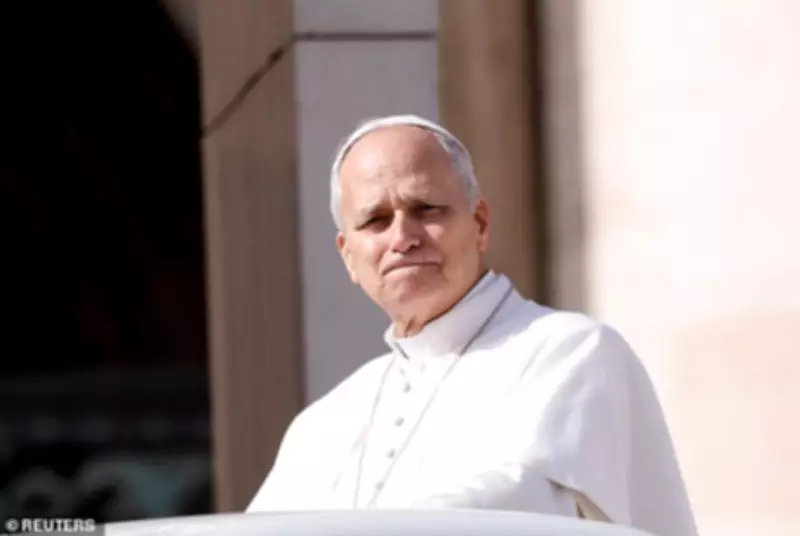
In a significant directive from the Vatican, Pope Leo XIV has explicitly banned Catholic priests from utilizing artificial intelligence to compose their sermons, stating that AI "will never be able" to speak to God or authentically share faith. The prohibition was delivered during a closed-door meeting with clergymen from the Diocese of Rome on Thursday, February 26, 2026.
Addressing Modern Challenges in Ministry
Following his formal address, Pope Leo XIV engaged in a question-and-answer session with four priests selected from various age groups. When a parish priest inquired about effective ministry in postmodern culture without reverting to outdated methods, the 70-year-old Pontiff articulated his firm stance on artificial intelligence.
"The first step is truly knowing the community where I am called to serve," Pope Leo emphasized. He illustrated this point by recounting a recent visit to the Ostia neighborhood in Rome, explaining that meaningful communication requires deeply understanding people's realities.

Warning Against Technological Temptations
The Pope urged clergy to remain vigilant regarding artificial intelligence and internet influences, specifically cautioning against "the temptation to prepare homilies with artificial intelligence." He employed a biological analogy to underscore his point: "Like all the muscles in the body, if we do not use them, if we do not move them, they die. The brain needs to be used, so our intelligence must also be exercised a little so as not to lose this capacity."
He further clarified that delivering a genuine homily involves faith sharing, something he insists AI can never accomplish. "If we can offer a service that is inculturated in the place, in the parish where we are working, people want to see your faith, your experience of having known and loved Jesus Christ," the Pope added.
Engaging Youth in a Digital Age
Earlier in the session, a young priest ordained by Pope Leo in May 2025 asked how younger clergy can support their peers in contemporary society. The Pope challenged priests not to settle for only those youth already attending church but to actively seek out others.
"We must organize, think, seek initiatives that can be a form of outreach," he advised. "We must go ourselves, we must invite other young people, go out into the streets with them; perhaps offer different ways," suggesting activities involving sports, art, and culture.
Pope Leo identified personal connection as the crucial element, stating that genuine knowledge emerges through "a human experience of friendship" with young people experiencing isolation and profound loneliness. He noted this loneliness has intensified post-pandemic and due to smartphone usage.
"They live a kind of distance from others, a coldness, without knowing the richness, the value of truly human relationships," the Pope explained. He stressed the importance of offering youth "another type of experience of friendship, of sharing, and gradually of communion," from which they can be invited to know Jesus.