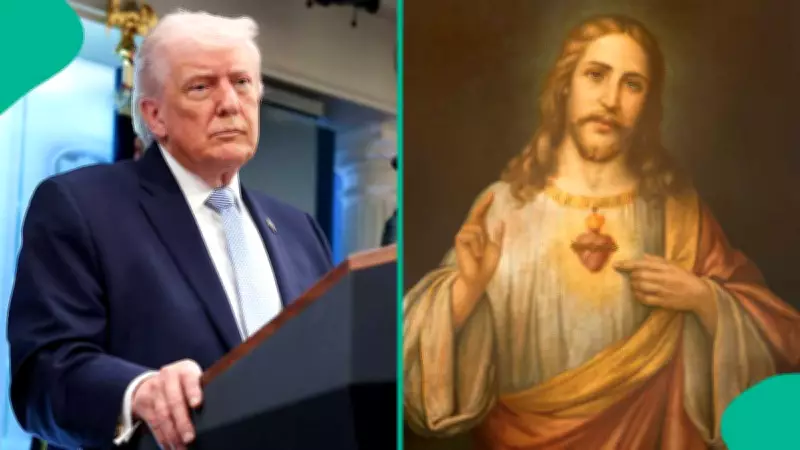
Trump Shares Another AI-Generated Image Featuring Jesus, Igniting Fresh Controversy
Former US President Donald Trump has reignited a significant political and religious controversy by posting another artificial intelligence-generated image, this time prominently featuring Jesus Christ. This provocative move comes merely days after Trump faced substantial backlash for sharing an AI-altered photo on Orthodox Easter that depicted him as a divine healer.
Details of the Latest AI Post
The new AI-generated image was originally shared by an X account called "Irish for Trump" with a caption suggesting divine intervention in political affairs. Trump subsequently reposted a screenshot of this tweet on his Truth Social platform, adding his own commentary: "The Radical Left Lunatics might not like this, but I think it is quite nice!!! President DJT."
This development follows intense criticism Trump received earlier in the week for sharing another AI-manipulated image on Orthodox Easter. That controversial depiction showed Trump as Jesus descending from heaven, dressed in white robes with a red shawl, holding an orb of light while touching the forehead of a sick man in a hospital bed.

Immediate Backlash and Response
The Orthodox Easter post drew immediate condemnation from conservative Christian groups and commentators. Journalist Megan Basham labeled it "OUTRAGEOUS blasphemy", while longtime Trump supporter Cam Higby stated he spends eight hours daily defending Trump but "will not defend blasphemy."
Trump later deleted the Easter post and told reporters outside the Oval Office: "I thought it was me as a doctor. Only the fake news could come up with that," adding, "I make people better."
Broader Pattern of AI-Generated Content
This incident represents the latest in a series of controversial AI-generated posts from Trump and his administration:
- Last year, an AI image depicted Trump as the pope shortly after Pope Francis' death
- Earlier this year, Trump shared an AI clip portraying Barack and Michelle Obama as apes, which was widely condemned
- Other fabricated images included depictions of civil rights activists' arrests and false endorsements suggesting Taylor Swift supported his campaign
Political Implications and Religious Sensitivities
Political analysts and religious commentators warn that Trump's repeated use of religiously themed AI content risks alienating key voter groups ahead of November's crucial midterm elections. While some supporters view these posts as symbolic political statements, critics argue they dangerously inflame religious sensitivities and could damage Trump's standing among Christian voters.
The controversy extends beyond religious imagery. On April 12, Trump criticized Pope Leo XIV, the first American pope, calling him too liberal and "weak on crime." Critics described this attack as offensive and immature, suggesting it represents an unforced error that could further erode Catholic support.
Administration's Defense and Broader Context
Trump's administration has defended these posts as political messaging, but the pattern continues to generate significant controversy. Pope Leo XIV responded to Trump's criticism by stating he has "no fear of the Trump administration" and would continue speaking out against war despite presidential criticism.
As the midterm elections approach, political observers note that Trump's use of AI-generated religious and political imagery represents a new frontier in digital political communication, one that blurs lines between symbolism, propaganda, and religious respect in unprecedented ways.