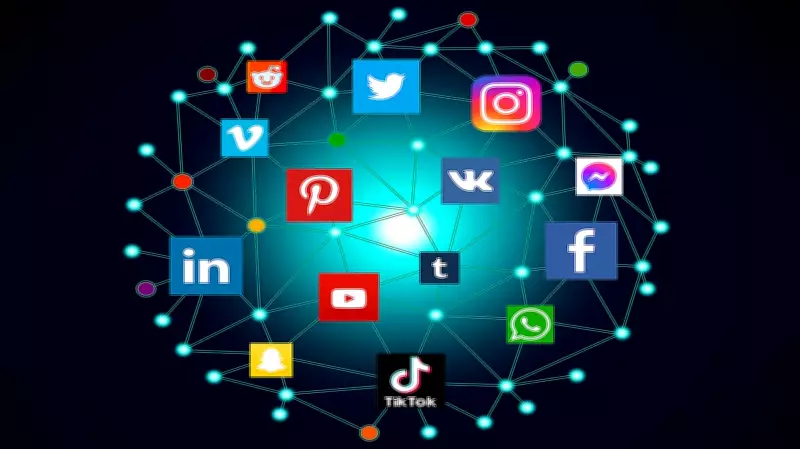
Nigerian university students are increasingly leveraging social media platforms to access global opportunities, despite the challenges and abuses associated with these networks. Stakeholders have urged students to tread cautiously while maximizing the benefits of digital connectivity.
Success Stories of Social Media Use
Jennifer Obiorah, a graduate of SOAS University of London, attributes her academic breakthrough to strategic use of LinkedIn and Twitter. She accessed scholarship information, global networks, and mentorship opportunities that were otherwise out of reach. Her engagement on these platforms led to admission and a distinction in Economics, as well as grants and international recognition for her social enterprise, TeamUpcyclers.
Irene David Arinze, founder of Lida Network, used Instagram and cold emails during her National Youth Service Corps to connect with organizations. She volunteered remotely, learned workplace culture, and secured her first paid role before graduation, giving her a head start in the competitive labor market.
Educational and Professional Benefits
Kizito Valentina Destiny, a Civil Engineering student at the University of Abuja, curates her academic journey on Twitter and LinkedIn. She accesses educational content, internships, scholarship opportunities, and online courses, resulting in an internship and a free Google digital marketing course. Bola Ajibade, a Computer Science student at the University of Ilorin, uses Instagram, LinkedIn, and YouTube to supplement theoretical classroom learning with practical skills, showcasing her work and connecting professionally.
Emeka Ifeosome, a Medicine and Surgery student at the University of Delta, joins academic groups and learns new skills through social media, making learning more flexible and interactive. He also gains motivation from peers across Nigeria and the world. Chukwuemeka Samuel, a Nursing student, uses WhatsApp, TikTok, and YouTube for relaxation, staying informed, and research, emphasizing the connection and barrier-breaking power of social media.
Informal Learning and Entrepreneurship
Abu Gandi, a student at Base University, credits TikTok with expanding his knowledge and improving his communication skills and English vocabulary. Jerome Bobo, a Law student at Veritas University, uses LinkedIn, Facebook, and Twitter to collaborate with students from different institutions on academic assignments and to promote his small business of customizing football jerseys.
Expert Insights and Cautions
Munierah Tahir, a Social Media expert at Kaduna Electric, highlights that social networking offers opportunities for professional connections, diverse learning resources, collaboration, and personal branding. She advises students to be intentional, verify information, protect personal data, and think long-term about their digital footprint.
Olugbenga Adebola, Head of Corporate Communications at Mainstream Energy Solutions, describes social media as a double-edged tool. He likens it to a gun, noting its potential for connectivity and professional development but also for criminal activities. He references an incident where a post from an online personality called “Abuja landlord” led to massive queues for free fuel, demonstrating the speed of digital mobilization. Adebola emphasizes the need for guidance rather than censorship, directing platforms toward productivity, education, and innovation.
Dr. Giver Celestine, a senior lecturer at the University of Nigeria, Nsukka, notes that social networking facilitates collaborative learning and global research access. To mitigate risks like misinformation and privacy breaches, students must curate professional digital footprints and prioritize academic networking over passive scrolling. Balancing virtual engagement with critical media literacy ensures these tools remain assets.
Conclusion
Social networking, when used intentionally, extends university education beyond the classroom. Students across Nigeria are securing scholarships, internships, and building careers through digital platforms. However, excessive use can lead to distraction, reduced productivity, and addiction. Risks such as misinformation, cyber fraud, and exposure to harmful content remain significant. To maximize impact, users must curate content around academic or professional goals, verify information, protect personal data, and maintain a credible digital footprint. Balancing online engagement with offline priorities and developing media literacy can transform social networking into a strategic asset.