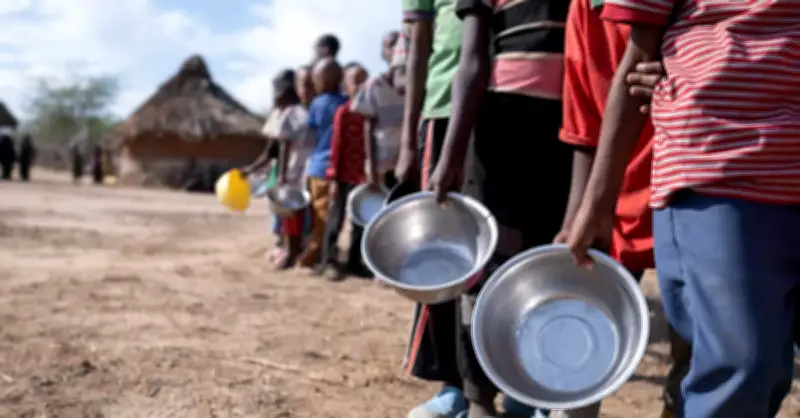
A new report from the Famine Early Warning Systems Network (FEWS NET) projects that 16.99 million Nigerians will face acute food insecurity by January 2027. The figure represents a significant escalation from current levels, driven by persistent inflation, ongoing conflicts, and adverse climate conditions.
Key Drivers of Food Insecurity
The FEWS NET analysis attributes the projected rise in hunger to several interlocking factors. Inflation has eroded purchasing power, particularly in urban areas, while conflict in the northeast and northwest continues to disrupt agricultural production and trade. Additionally, below-average rainfall in parts of the Sahel and the middle belt has reduced crop yields, exacerbating food gaps.
According to Dr. Amina Bello, a food security analyst with FEWS NET West Africa, “The combination of economic shocks and climate variability is creating a perfect storm. Without immediate and sustained intervention, the number of acutely food-insecure Nigerians will climb sharply in the coming months.”
Regional Breakdown
The report identifies the northern states of Borno, Yobe, Adamawa, Zamfara, and Katsina as the worst affected. In these regions, conflict between state forces and non-state armed groups has displaced populations and limited access to farmland. The report notes that over 60% of the projected 16.99 million people live in these areas.
Urban centers such as Kano and Lagos are also at risk, as high inflation – particularly food inflation, which stood at 38.2% in June 2026 – has made basic staples unaffordable for many low-income households. The national minimum wage adjustments have not kept pace with the rising cost of living, forcing families to reduce meal sizes or skip meals altogether.
Implications and Government Response
The FEWS NET findings underscore the urgency for the Nigerian government and international partners to scale up humanitarian assistance. Current food aid programs cover only a fraction of those in need. The report recommends expanding cash transfer programs, improving market access, and investing in conflict resolution and climate-resilient agriculture.
In response, the Federal Ministry of Agriculture and Food Security stated that it is working on a comprehensive food security strategy to be launched in the fourth quarter of 2026. A ministry spokesperson said, “We are committed to reducing hunger and have allocated additional funds for strategic food reserves and irrigation projects. However, we need collaboration from all stakeholders.”
Historical Context and Future Outlook
This projection is part of a worrying trend. In 2025, the Cadre Harmonisé estimated that about 14.8 million Nigerians were in acute food insecurity during the lean season. The new FEWS NET figure marks a 15% increase, reflecting deepening vulnerabilities. Factors such as currency devaluation and removal of fuel subsidies continue to strain household budgets.
Looking ahead, the report stresses that the January 2027 peak could be mitigated if interventions begin immediately. “We have a window of opportunity,” said Dr. Bello. “But it is closing fast. Every month of delay pushes more people into crisis.”
FEWS NET, funded by the U.S. Agency for International Development, provides early warning on food insecurity for over 40 countries. Its analysis is widely used by United Nations agencies and non-governmental organizations to guide emergency responses.