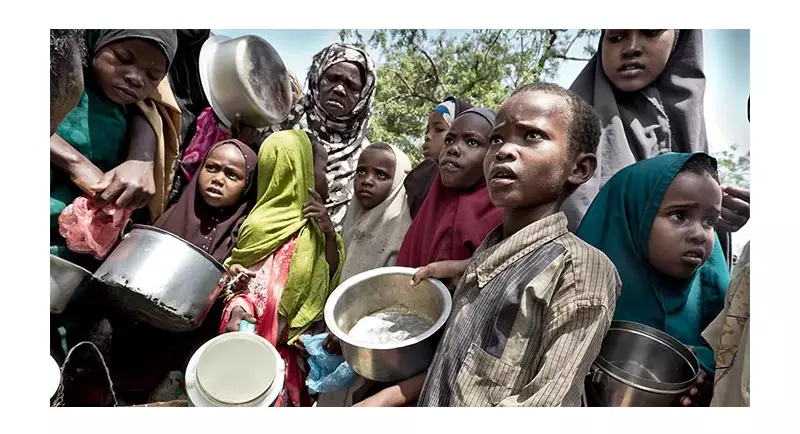
The United Nations has issued a dire warning about escalating food insecurity in Nigeria, projecting that approximately 35 million citizens will face acute hunger in 2026. This alarming figure includes an estimated 3 million children who are at risk of severe malnutrition, highlighting a deepening humanitarian crisis.
Collapsing Global Aid Budgets Exacerbate Crisis
During the launch of the 2026 humanitarian response plan in Abuja on Thursday, January 22, UN Resident and Humanitarian Coordinator Mohamed Malick Fall disclosed that shrinking international assistance budgets have severely constrained relief efforts. He emphasized that the traditional foreign-led aid model, which has long dominated Nigeria's humanitarian landscape, is no longer sustainable given the country's growing needs.
Northeast Conflict Zones Face Extreme Hardship
Conditions in Nigeria's conflict-ravaged northeastern states have deteriorated significantly, according to Fall. Civilians in Borno, Adamawa, and Yobe states are enduring escalating violence, with a sharp increase in suicide bombings and widespread attacks. These security challenges resulted in over 4,000 fatalities during the first eight months of 2025 alone, matching the total death toll recorded for the entire year of 2023.
Dramatic Reduction in Humanitarian Assistance
The UN's capacity to deliver critical aid has been substantially reduced due to funding constraints. For 2026, the organization can only target providing $516 million in lifesaving assistance to 2.5 million people. This represents a significant decrease from the 3.6 million people reached in 2025, which itself was approximately half the assistance level of the previous year.
"These are not statistics. These numbers represent lives, futures and Nigerians," Fall stated emphatically during the Abuja presentation. He explained that with available funding declining, the UN has been compelled to prioritize only the most critical lifesaving interventions.
Previous Warnings and Resource Shortages
Funding shortfalls in 2025 prompted the World Food Programme to issue earlier warnings about potential widespread hunger in Nigeria. The agency's resources were depleted by December, forcing it to suspend nutritional support for more than 300,000 vulnerable children across the country.
Growing National Response to Crisis
Despite the grim outlook, Fall noted encouraging signs of increased national ownership in addressing the humanitarian emergency. In recent months, Nigeria has demonstrated greater commitment through measures including:
- Local funding initiatives for lean-season food support programs
- Enhanced early-warning systems and proactive responses to flooding threats
- Strengthened coordination between government agencies and humanitarian partners
The UN official stressed that while international support remains crucial, sustainable solutions will require robust domestic leadership and resource mobilization to complement external assistance.