
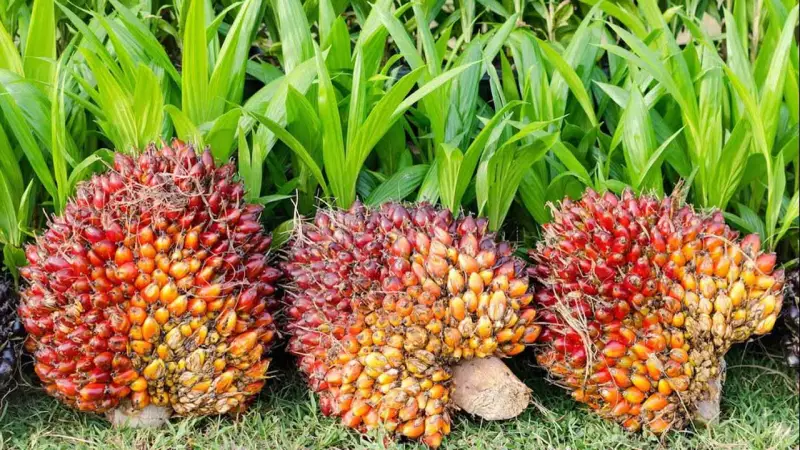
The Anambra State government has made significant strides in agricultural development through the massive distribution of palm seedlings across the state. Over the past two years, authorities have successfully provided 220 million palm seedlings to more than 180,000 households as part of Governor Chukwuma Soludo's vision for agricultural transformation.
Massive Palm Distribution Initiative
Professor Forster Ihejiofor, the State Commissioner for Agriculture, revealed these impressive numbers during the unveiling of a project initiated by Alpha City Estate Development Limited. The event also marked the inauguration of the Anambra State Chapter of the National Palm Produce Association of Nigeria (NPPAN).
The commissioner emphasized the government's commitment to investing in agriculture for maximum returns and achieving food security in the state. This initiative represents one of the most ambitious agricultural programs in recent state history.
Learning from Malaysia's Success Story
Commissioner Ihejiofor highlighted the painful irony of Nigeria's current palm oil situation. "Nigeria that gave palm nuts to Malaysia few years ago now imports $500 million worth of palm oil from the same nation yearly," he lamented during his speech.
Drawing from his 2022 visit to Malaysia, the commissioner described how palm trees have become national economic assets in that country. In Malaysia, palm trees are officially designated as national economic plants, and unauthorized interference with them can lead to prosecution. The Southeast Asian nation has mastered value addition from palm oil, ensuring that none of its by-products goes to waste.
The commissioner expressed hope that Nigeria, starting with Anambra State, could replicate Malaysia's success story through bold initiatives like those being pursued by NPPAN and Alpha Palm City.
Collaborative Efforts for Agricultural Revival
The state government is actively seeking partnerships with relevant organizations to actualize the "One Family, 20 Palms" program across Anambra. This ambitious project aims to ensure every family in the state has at least twenty palm trees, creating a sustainable source of income and contributing to food security.
Mrs Gloria Aniemeka, Vice Chairman of Alpha Palm City Estate Development Limited, explained that her company initiated the project and found NPPAN to be an invaluable partner in realizing this vision. She expressed optimism about the state government providing the necessary enabling environment.
The company's goal is to raise no fewer than 20 million palm trees in the state in the near future. Mrs Aniemeka assured potential investors that land is available for palm oil investment and mentioned that the agro realtor has already planted quality, fast-yielding nursery palm species that can be tended for investors until they're ready to take over.
Restoring Eastern Nigeria's Economic Heritage
Dr Lynda Onubogu, National Vice President (South East) of NPPAN, while inaugurating the newly-elected Anambra State executive led by Mrs Ifeyinwa Onweluzo, emphasized the historical significance of palm produce in the region.
"Palm produce is the main base and trademark of Eastern Nigerian economy until it was unfortunately neglected," Dr Onubogu stated. She described the inauguration as a call to action toward restoring the lost glory of palm produce business in the Southeast zone, beginning with Anambra State.
Kayode Olatola, National Secretary of NPPAN, provided context about the association's history, noting it has existed since 1995. He revealed that palm trees are found in commercial quantities in 29 states across Nigeria but pointed out that Anambra State is particularly well-positioned to maximize the "One Family, 20 Palms" initiative despite land shortages in the zone.
The commissioner highlighted the pervasive nature of palm oil products in Nigerian markets, noting that more than 80 percent of products on the shelves of any typical Nigerian supermarket contain by-products of palm oil and kernel. This underscores the economic potential of reviving palm production in the state and country at large.
Governor Soludo has expressed strong support for serious investors in the sector, promising to help standardize operations and provide processing machines for cooperatives that maximize the inherent high returns from palm oil investment.




