Digital Payments Reduce Demand for Lower Denominations
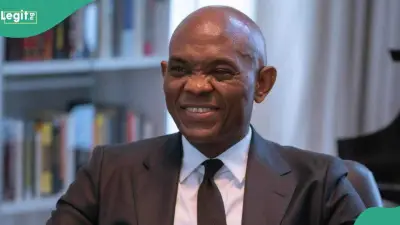
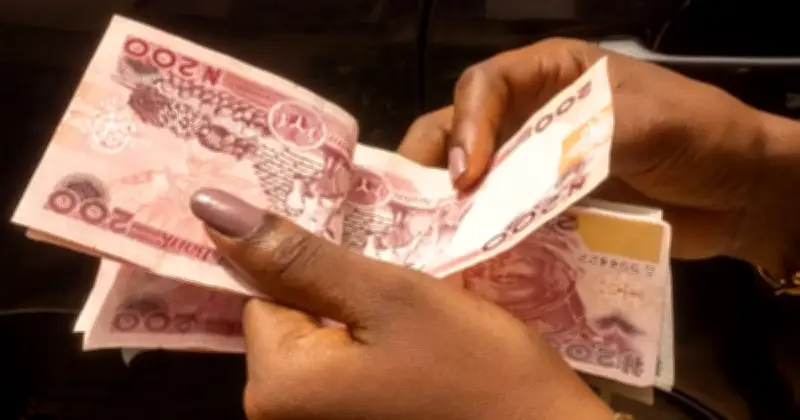
The scarcity of ₦100 and ₦200 notes across Nigeria is being driven largely by the country's fast-growing shift toward digital payments, according to Central Bank of Nigeria Governor Olayemi Cardoso. Speaking after Tuesday's Monetary Policy Committee meeting in Abuja, Cardoso said fewer Nigerians are relying on physical cash for everyday transactions, which has reduced the practical need to print and circulate lower-value notes in the volumes seen in the past.
“As more people adopt digital payment channels, the demand for coins and lower-denomination notes naturally declines. If there is less demand for them, there is less need to print and circulate them in large quantities,” he said.
Supply Follows Demand
Cardoso described it as a simple case of supply following demand. He tied this shift to a broader rise in financial inclusion, arguing that as mobile banking and electronic transfers become more embedded in daily life, cash-based habits built around smaller denominations are gradually fading, particularly in urban areas.
Most shops in Nigeria have adopted digital payment facilities, further reducing the reliance on physical cash.
Inflation Weakens Purchasing Power
Inflation, Cardoso added, has also compounded the issue. He acknowledged that years of currency devaluation have eroded what ₦100 and ₦200 notes can actually buy, making them far less useful in transactions than they once were, and further reducing the incentive to keep them in heavy circulation.
“Of course, we must also acknowledge that currency devaluation has affected the purchasing power of lower-value notes. That is a reality,” he said.
CBN Still Targeting Single-Digit Inflation
On the wider inflation picture, Cardoso said the CBN is still working toward a single-digit inflation target, pointing to eleven straight months of disinflation as evidence of progress before the country hit unexpected external shocks that slowed momentum. He said the bank had hoped to be closer to its target range by early 2027, but stood by the goal despite the delay.
CBN Disagrees with IMF on Naira Valuation
Cardoso also addressed the International Monetary Fund's recent position that the naira is undervalued, with the Fund estimating a fair value near ₦1,150 to the dollar. He pushed back gently, saying the central bank's approach remains rooted in letting market forces, not fixed targets, determine where the currency settles. He pointed to oil exports, investment flows, local productivity and import substitution as the real drivers of that value over time.
He further described the foreign exchange market as increasingly stable and transparent, citing days where trading volume has crossed $1 billion as a sign of returning investor confidence.
Notes Remain Legal Tender
Despite the scarcity, Cardoso reiterated a point the CBN has made in earlier statements: both notes remain valid legal tender, and traders and members of the public should continue accepting them unless the apex bank formally announces otherwise.