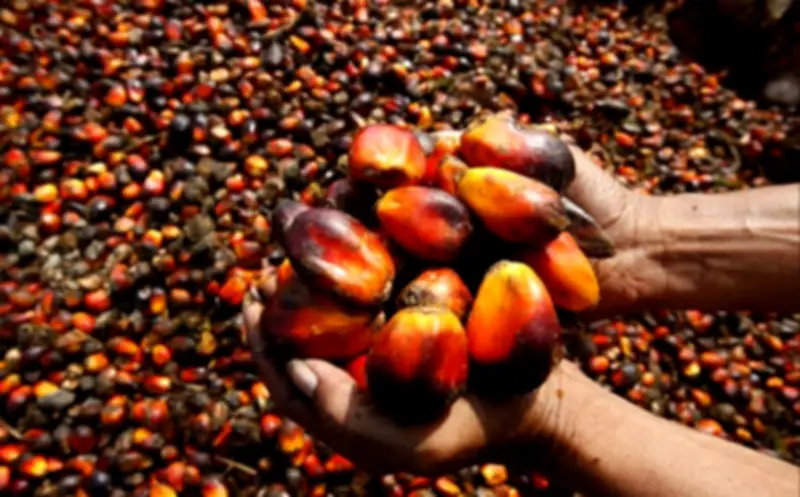
Cheap imports are severely undercutting Nigeria's oil palm industry, with major producers Okomu Oil Palm Company Plc and Presco Plc facing significant challenges as foreign products flood the market at lower prices. According to industry analysts, the influx of inexpensive palm oil from Southeast Asia is eroding the market share of local producers, threatening the viability of the sector.
Impact on Local Producers
Okomu Oil and Presco, two of Nigeria's largest oil palm companies, have reported declining revenues and profit margins as a direct result of cheap imports. The companies, which have invested heavily in plantations and processing facilities, are now struggling to compete with imported palm oil that is often sold at prices below local production costs.
Data from the National Bureau of Statistics (NBS) shows that Nigeria imported over 400,000 tonnes of palm oil in 2025, a significant increase from previous years. This surge in imports has been driven by lower global prices and the removal of trade barriers, making it cheaper for Nigerian businesses to buy from abroad than to source locally.
Government Policies and Tariffs
The Nigerian government has attempted to protect the local industry through tariffs and import restrictions, but these measures have proven ineffective. According to a report by the Central Bank of Nigeria (CBN), the effective tariff on palm oil imports is only 10%, which is insufficient to offset the cost disadvantage faced by local producers.
Industry experts argue that the government needs to implement stricter import controls and provide more support to local farmers. "The current situation is unsustainable," said Dr. Adewale Ogunleye, an agricultural economist at the University of Ibadan. "If we do not act quickly, we risk losing the entire oil palm sector, which is vital for rural employment and food security."
Financial Performance of Okomu and Presco
Okomu Oil reported a 15% drop in profit after tax for the first half of 2026, while Presco saw a 12% decline in net income. Both companies have cited increased competition from imports as a key factor in their financial results.
In response, the companies are diversifying their product lines and exploring export opportunities. "We are focusing on value-added products like specialty fats and oleochemicals, which are less affected by cheap imports," said a spokesperson for Presco. However, these efforts are still in their infancy and may take years to yield significant results.
Future Outlook
Without decisive government action, the outlook for Nigeria's oil palm industry remains bleak. Analysts predict that continued import penetration could force some smaller producers out of business, leading to job losses and increased rural poverty.
Stakeholders are calling for a comprehensive policy framework that includes higher tariffs, improved access to finance for smallholder farmers, and investment in modern processing technology. "The government must prioritize the oil palm sector," said Ogunleye. "It has the potential to create millions of jobs and significantly reduce Nigeria's import bill, but only if we level the playing field."