Cooking Gas Price Surges by 15.3% in May 2026
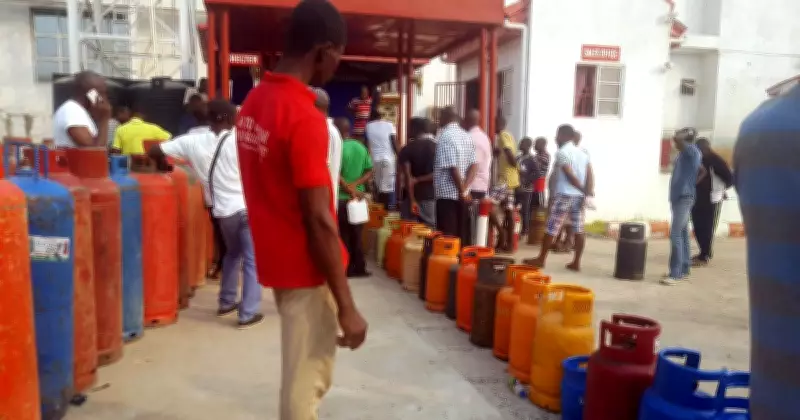
The cost of Liquefied Petroleum Gas (LPG) in Nigeria has climbed sharply, with the average retail price per kilogram now at ₦1,500. A 12.5kg cylinder now costs ₦18,750, up from ₦16,250 in April, according to market surveys and industry reports. This represents an increase of over 15% from the ₦1,300 per kg recorded in many locations just last month.
For context, the National Bureau of Statistics (NBS) LPG Price Watch for early 2026 had already shown a steady climb. In March 2026, the NBS recorded the average price of refilling a 12.5kg cylinder at ₦19,652.83, indicating that prices in certain high-cost zones had already surpassed the ₦18,750 mark before the latest May surge. This latest surge means that for a Nigerian earning the ₦70,000 minimum wage, refilling a 12.5kg cylinder now consumes more than 25% of their entire monthly salary, highlighting the growing pressure energy inflation is placing on millions of households.
Only Three Major Depots Hold Stocks
Cooking gas remains one of the most widely used sources of domestic energy in urban and semi-urban homes because it is considered cleaner and faster than kerosene and firewood. However, the rising prices are coming despite earlier government efforts to prioritise domestic supply by halting exports of locally produced gas.
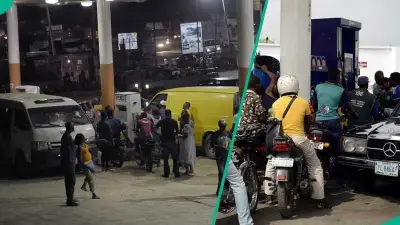
Market sources attribute the development to a severe supply squeeze. Assessments by Vanguard showed that only the Dangote Petroleum Refinery, Ardova Plc, and Navgas currently have commercial volumes of LPG available for sale in the domestic market. In addition to supply shortages, several other factors are fuelling the hike:
- High Domestic Demand: More households and businesses are switching to gas as an alternative to expensive petrol and diesel and inconsistent power supply, putting immense pressure on limited supplies.
- Depot Pricing: Ex-depot prices have surged as stocks dry up. Operators warned that if the current supply situation persists, retail prices could climb even higher than ₦1,500/kg. This level is a familiar "danger zone" for the market; in October 2025, prices reached a staggering ₦3,000 per kg in Lagos following industrial action that paralysed the supply chain.
- Logistics and Transportation: The high cost of diesel, which powers the trucks transporting LPG from depots to retail outlets, continues to be factored into the final consumer price.
For many Nigerians already struggling with the high cost of food items like rice and beans, the latest gas prices are expected to deepen concerns over household survival as energy expenses take a larger share of monthly income.
Tips on How to Manage Your Cooking Gas
With the current economic reality, many Nigerians are seeking ways to stretch their gas supply. Here are some scientific and effective ways to reduce consumption:
- Prep before you light up: Do not turn on the gas before you are ready. Ensure all ingredients, vegetables, onions, and spices are washed and chopped before lighting the burner.
- Use a Pressure Cooker: For hard foods like beans and meat, a pressure cooker can reduce cooking time by 50 to 70%, saving a significant amount of gas.
- Soak Grains in Advance: Soaking beans, chickpeas, or local rice for a few hours before cooking softens them and reduces the time they spend on the fire.
- Cover your Pots: Cooking in open pots allows heat to escape through steam. Using a tight-fitting lid traps heat and cooks food faster.
- Match Burner to Pot Size: Using a small pot on a large burner wastes gas as the flames lick the sides of the pot rather than heating the bottom.
- Clean your Burners: If your gas flame is yellow or orange, your burner is likely dirty and wasting gas. A blue flame is the most efficient. Clean the burner holes regularly to ensure complete combustion.
For low-income households, the latest increase may force some families to return to alternative cooking methods such as charcoal and firewood despite health and environmental concerns. With gas prices consuming 25% of the minimum wage, many low-income families are being forced back to firewood and charcoal despite health risks. The situation has further highlighted concerns about Nigeria's widening cost-of-living crisis as inflation continues affecting both food and energy prices nationwide.