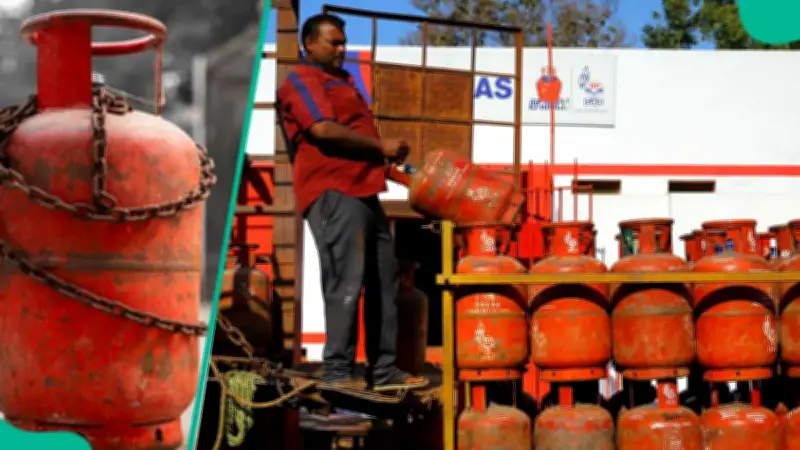
Energy cooking gas prices in Nigeria are climbing toward N1,600 per kilogram as depot operators release fresh rates nationwide, intensifying the cost-of-living crisis for households. The latest adjustments by major depot operators have pushed liquefied petroleum gas (LPG) closer to N1,400 per kilogram at depots, with retail prices already exceeding N1,600 in many locations.
Global Oil Market Instability Drives Price Hikes
The price surge follows renewed tensions between the United States and Iran around the Strait of Hormuz, a critical oil shipping route. Brent crude briefly surged to nearly $100 per barrel earlier this week before easing to about $96.7 on Wednesday, June 3, 2026, according to Oilprice.com. Analysts warn that uncertainty in the Middle East could continue to affect energy prices globally in the coming weeks.
Depot Operators Release New LPG Rates
Fresh market data from PetroleumPriceNG shows several major depot operators have adjusted their LPG prices upward. A.Y.M Shafa now sells cooking gas at N1,360 per kilogram, while NAVGAS and NIPCO Lagos fixed their prices at N1,275 per kilogram. Rainoil Lagos also adjusted its rate to N1,280 per kilogram. Industry players say many depots are adopting defensive pricing measures amid fears of further shocks in the global oil market.
Consumers Feel the Pinch
The impact of the fresh depot prices is already being felt by consumers nationwide, with retail cooking gas prices reportedly climbing to around N1,600 per kilogram in many locations. For households relying heavily on LPG for daily cooking, the latest increase has added to existing financial strain caused by rising food and transportation costs. A previous report revealed that a standard 12.5kg cylinder of cooking gas sold for as high as N22,000 over the weekend, forcing some families to seek cheaper alternatives such as charcoal and firewood.
Experts Warn of Further Increases
Energy analysts have warned that cooking gas prices may continue to rise if geopolitical tensions in the Middle East persist. Speaking with Legit.ng, energy policy analyst and Platforms Africa Team Lead, Adeola Yusuf, said the global energy market is likely to remain unstable until there is a significant diplomatic breakthrough between the US and Iran. “The market will continue to remain largely volatile until the US and Iran come to a crucial deal,” he said. Yusuf added that although Nigeria still feels the impact of global energy shocks, local refining capacity, particularly from the Dangote Refinery, may help cushion the effect to some extent.
Broader Economic Impact
Despite this, many Nigerians fear that another round of cooking gas price increases could deepen economic hardship for low- and middle-income households across the country. Cooking gas dealers have released fresh prices nationwide, with some consumers now paying as much as N2,000 per kilogram amid growing supply shortages and rising operational costs. A market survey conducted on Monday, May 25, 2026, showed significant increases in the price of LPG across parts of Lagos, Ogun, Abuja, and other states. The latest hikes have sparked concerns among consumers and industry stakeholders, many of whom fear that the situation could deteriorate further if urgent measures are not taken.