WTO Conference Highlights Cotton Value Addition as Catalyst for Nigeria's Inclusive Growth
Major investment in the cotton, textiles, and garments (CTG) sector has been identified as a transformative driver for economic development in Nigeria and across West Africa. This consensus emerged from stakeholders at the recently concluded 14th Ministerial Conference of the World Trade Organization (WTO), which brought together ministers, heads of international agencies, development finance institutions, and private sector partners.
Challenges and Opportunities in Nigeria's Cotton Sector
Cotton, a major cash crop primarily cultivated in northern Nigeria, serves as a foundational component of the CTG value chain. However, the sector has faced significant obstacles over the years, including neglect, inadequate infrastructure, security concerns, and intense competition from cheaper or smuggled polyester fabrics. Despite these challenges, the conference underscored the immense potential for Africa to ascend the value chain by processing raw cotton locally.
Currently, approximately 98 percent of cotton from Nigeria and the West African region is exported as raw fiber. This represents a missed opportunity, as the region possesses the capability to establish itself as a gateway for processing and transforming cotton into finished textiles and garments, thereby retaining more value within the continent.
Launch of New Initiatives and Investment Mobilization
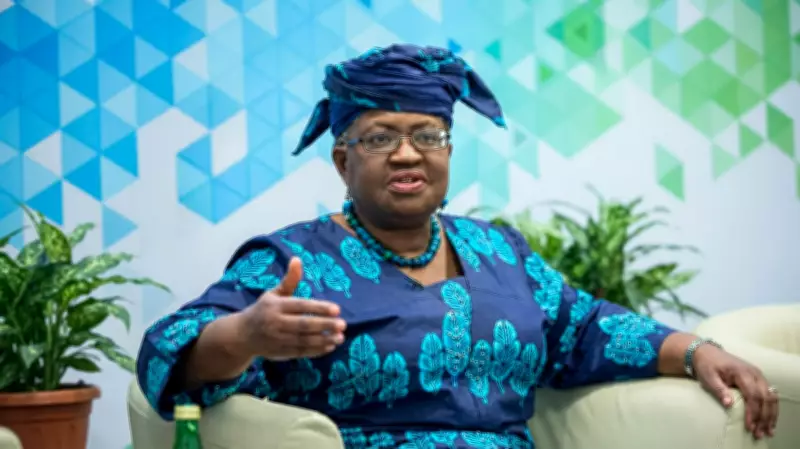
The conference marked the launch of a new phase under the Partenariat pour le Coton (PPC) initiative, which focuses on mobilizing investment to accelerate the transformation of the cotton-to-textile-and-garment value chain. WTO Director-General Ngozi Okonjo-Iweala expressed optimism, stating, "We are on the cusp of creating a modern textiles and garment industry across West and Central Africa."
According to Okonjo-Iweala, an investment and capacity-building support package of $5 billion could generate around 500,000 direct jobs. These employment opportunities would span textile manufacturing, transportation, and fashion design, with a particular emphasis on benefiting women and youth, thereby fostering inclusive growth.
Strategic Positioning and Institutional Support
The initiative builds on the leadership of the "C-4+" group of countries and aims to position the region as a hub for cotton processing and industrial development. In support of this goal, PPC partners introduced the Africa Textile Invest platform. This new tool is designed to assist investors by providing a centralized access point for information on country-specific data, industrial zones, and a pipeline of investment opportunities.
Gunther Berger, Managing Director of the United Nations Industrial Development Organization (UNIDO), reaffirmed the agency's commitment to supporting the development of industrial capacities across the CTG value chain. He emphasized that industrial development acts as a bridge connecting natural resources to global markets, highlighting the strategic importance of value addition.
Future Outlook and Economic Impact
Pamela Coke-Hamilton, Executive Director of the International Trade Centre (ITC), noted that the future of African cotton hinges entirely on value addition. Dr. George Elombi, President and Chairman of Afreximbank, echoed this sentiment, describing African cotton as an engine of growth, with the bank poised to provide the necessary investment power.
Dr. Elombi made a forward-looking pledge, stating, "Within 15 to 20 years, Africa will be out of the cotton export business and fully into exports of textiles and clothing, ensuring more money stays improving lives and livelihoods across the continent." This vision underscores the long-term economic benefits of transitioning from raw material exports to higher-value finished products, which can drive sustainable development and enhance the quality of life for millions.