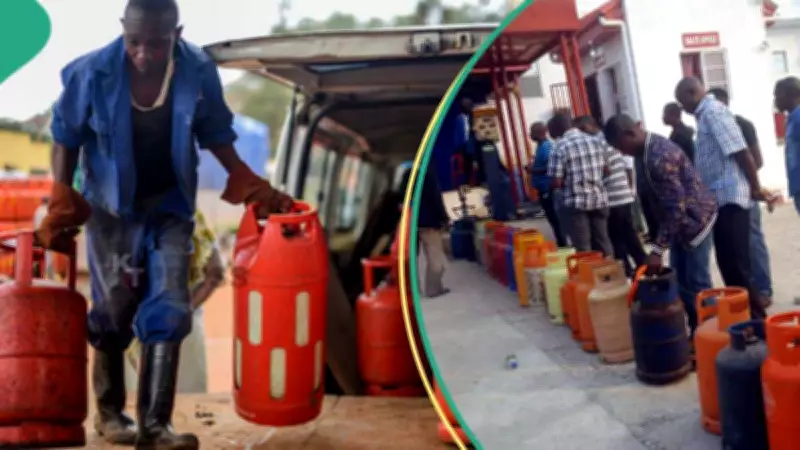
Nigerians are facing another surge in energy costs as Dangote Refinery and other major depot operators have increased the prices of liquefied petroleum gas (LPG), commonly known as cooking gas. The latest adjustment has pushed depot prices up by more than N100 per kilogram in some locations, further straining household budgets already burdened by rising food prices, transportation costs, and broader inflationary pressures.
Global Market Uncertainty Drives Price Increase
The hike comes amid growing concerns over geopolitical tensions affecting global energy supply chains. Analysts warn that petroleum product prices may remain unstable until there is greater certainty surrounding developments in the Strait of Hormuz, one of the world's most strategic oil shipping routes. Any disruption in this waterway, through which a significant share of global crude exports passes, could affect energy prices worldwide, including LPG prices in Nigeria. As a result, depot operators have adjusted their pricing structures to protect against possible losses and rising replacement costs.
Dangote, Rainoil, NIPCO and Others Adjust LPG Rates
Data tracked by PetroleumPriceNG shows that several leading LPG suppliers have revised their ex-depot prices upward. Dangote Refinery increased its LPG price to N1,250 per kilogram from N1,200 previously. Rainoil Lagos recorded one of the highest increases, raising its price by N160 per kilogram from N1,120. Other major operators also reviewed their prices upward. Stopgap fixed its LPG price at N1,250 per kilogram, while NAVGAS adjusted its rate to N1,200 per kilogram. NIPCO Lagos now sells the product at N1,275 per kilogram. These adjustments reflect efforts by marketers and depot operators to align with prevailing market realities and anticipated supply costs.
Retail Consumers Feel the Impact
The increase at the depot level is already being passed on to consumers across the country. Market checks indicate that retail LPG prices now range between N1,600 and N2,000 per kilogram, depending on location, transportation costs, and distribution margins. For many households that rely on cooking gas as their primary energy source, the latest increase could significantly raise monthly expenses.
Calls for Government Intervention Grow
In response to the rising costs, energy and financial experts are urging the Federal Government to consider temporary measures to cushion the impact on consumers. Financial analyst Osas Igho said a short-term subsidy or targeted support programme could help struggling families cope with the increasing cost of living. “Right now, Nigerians urgently need the government’s intervention to cushion the hardship and provide a soft landing for families already struggling with the harsh economic climate,” Igho told Legit.ng in a telephone interview. According to him, many Nigerians are already battling economic hardship, making further increases in essential commodities such as cooking gas particularly difficult to absorb. For now, consumers can only hope for greater stability in global energy markets, as continued volatility may trigger further adjustments in LPG prices in the weeks ahead.
Cooking Gas Price Rises Again
Legit.ng earlier reported that Nigeria's cooking gas prices continued to trend upwards, increasing pressure on households already dealing with inflation, high food prices, and soaring energy costs. Industry figures and market reviews indicate that LPG now sells for above N1,500/kg in several cities, up from the previous average of N1,300, and dealers warned of more rises if the supply situation remains critical. Operators attribute the rise to supply squeeze in depots, high replacement costs, logistical hiccups, and foreign exchange pressure influencing importation and distribution of LPG.