
The Definitive Answer: Does It Snow in Nigeria?
After extensive research into Nigeria's climate patterns and firsthand experience across all six geopolitical zones, a pressing question emerges with surprising frequency online: does it snow in Nigeria? The short, definitive answer is no. Nigeria has never recorded snowfall in its documented meteorological history, and the country's tropical location makes snow physically impossible under current atmospheric conditions. However, the full story about Nigeria's climate, temperature ranges, and why this question persists is far more fascinating than that simple answer suggests.
Understanding Nigeria's Tropical Climate
Nigeria sits squarely in the tropics, spanning latitudes 4°N to 14°N across West Africa. This geographical position means the country receives intense solar radiation year-round, maintaining consistently high temperatures that cannot support snow formation. According to the Nigerian Meteorological Agency, Nigeria's annual mean temperature ranges from 26.5°C to 28.5°C, with even the coldest recorded temperatures far above freezing point. Snow requires temperatures at or below 0°C throughout the atmospheric column where precipitation forms, a condition that has never occurred anywhere in Nigeria.
The country's climate is shaped by the interaction between the tropical continental air mass from the Sahara Desert and the tropical maritime air mass from the Atlantic Ocean. These create Nigeria's two distinct seasons: the wet season and the dry season. During the dry season, the harmattan wind brings the coolest temperatures of the year, but cool in Nigerian terms still means 15°C to 25°C in most areas, nowhere near cold enough for snow.
Historical and Scientific Evidence
The historical meteorological record for Nigeria extends back to the early colonial period, with no documentation of snowfall anywhere in the country. Geological and paleoclimatic evidence from West Africa shows that even during global cool periods like the Little Ice Age, the tropics maintained temperatures far above freezing. Oral histories from Nigeria's oldest communities contain no references to snow, and indigenous languages lack specific words for it, indicating its absence throughout history.
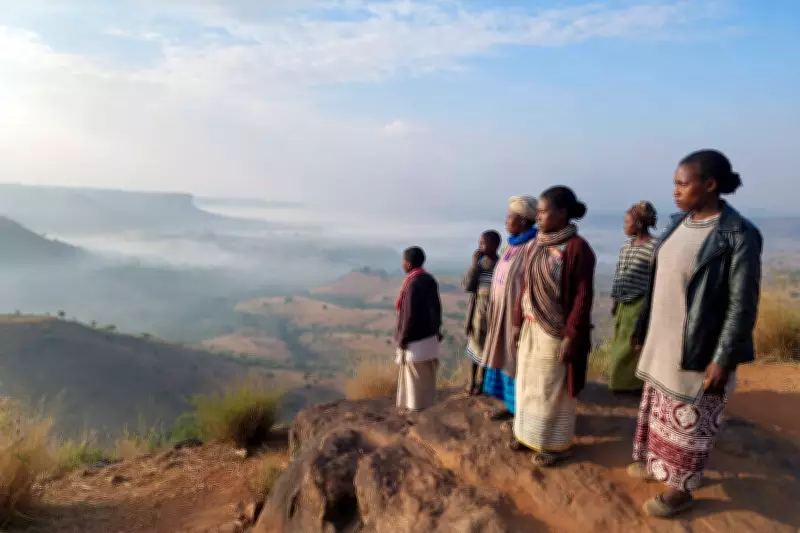
Some misconceptions arise from the Jos Plateau, Nigeria's highest inhabited region at 1,200 to 1,800 metres elevation. Here, the lowest recorded temperature was approximately 2°C during an exceptionally cold harmattan morning in the 1970s. This is cold enough for frost, which Jos occasionally experiences, but still well above the freezing point where snow could form. The occasional morning mist and fog during harmattan season might be misinterpreted as snow by visitors unfamiliar with tropical climates.
Climate Science and Atmospheric Conditions
Climate scientists classify snow formation as requiring specific atmospheric conditions: air temperature below 0°C from cloud level to ground level, sufficient moisture content, and appropriate cloud physics for ice crystal formation. Nigeria fails all three criteria. Even during the coolest harmattan nights, ground-level temperatures remain above 10°C in the coldest regions, and atmospheric temperatures aloft remain far above freezing. The tropical maritime air mass ensures high moisture content, but the tropical continental air mass maintains temperatures that prevent ice formation.
Nigeria's highest point, Chappal Waddi in Taraba State, reaches only 2,419 metres. Using the standard atmospheric lapse rate of 6.5°C per 1,000 metres, summit temperatures would be approximately 10.4°C above freezing, well above the threshold for snow. Mountains would need to exceed 4,000 metres elevation for summit temperatures to regularly drop below 0°C, an elevation that doesn't exist in Nigeria or neighbouring West African countries.
African Countries That Experience Snow
While Nigeria's tropical location prevents snow, several African countries at higher latitudes or elevations do receive snowfall regularly. This includes:
- South Africa's Drakensberg Mountains, which receive snow almost every winter.
- Lesotho's highlands, due to its high elevation above 1,400 metres.
- The Atlas Mountains of Morocco, Algeria, and Tunisia, with substantial winter snowfall.
- East Africa's high mountains like Mount Kilimanjaro, Mount Kenya, and the Rwenzori Mountains, which maintain permanent glaciers despite their tropical latitude.
- Ethiopia's Simien Mountains, which receive seasonal snow during highland winter months.
These locations either sit far enough from the equator to experience cold winters or reach elevations above 4,000 metres where temperatures remain below freezing even at tropical latitudes.
Nigeria's Climate Challenges and Diversity
Nigeria's climate challenges have nothing to do with snow and everything to do with extreme heat and erratic rainfall. The World Meteorological Organisation projects that 2025 will likely become Nigeria's second-hottest year on record, with mean near-surface temperatures reaching 1.42°C above pre-industrial averages. Rising temperatures threaten agricultural productivity, exacerbate desertification in northern states, and intensify heat stress during the dry season.
Understanding Nigeria's temperature patterns requires appreciating the country's extraordinary regional diversity. For example:
- Maiduguri in the north-east can experience 43°C heat in April.
- Port Harcourt in the south-south endures 28°C with 95% humidity year-round.
- Jos Plateau records temperatures as low as 2°C during harmattan season.
Yet none of these experiences anything remotely close to the temperatures needed for snow. Nigeria's climate offers remarkable variety, from rainforests receiving over 3,000 millimetres of annual rainfall to semi-arid savannas with severe drought, without the need for snowfall.
Conclusion and Key Takeaways
In conclusion, Nigeria does not receive snow, has never received snow, and cannot receive snow under current atmospheric conditions due to its tropical location and maximum elevation below the freezing threshold. The key takeaways are:
- Nigeria's tropical location and maximum elevation make snowfall physically impossible.
- Nigerian harmattan season brings cool temperatures but remains far above freezing.
- Climate change is making Nigeria hotter, not colder, with rising temperatures threatening various sectors.
- Frost can form in highland areas like Jos, but this is different from snow.
- Several other African countries do experience snow due to higher latitudes or elevations.
Instead of chasing snow, Nigerians should focus on understanding and adapting to the country's diverse climate realities, which shape agriculture, health, and daily life in profound ways.




