
The Economic Community of West African States (ECOWAS) has formally endorsed the $25 billion Nigeria-Morocco gas pipeline project, signing a new agreement that marks a significant step forward for the trans-Saharan energy corridor. The pipeline, which will stretch approximately 5,600 kilometers, aims to transport natural gas from Nigeria to Morocco and onward to Europe, passing through several West African countries.
New Agreement Solidifies Regional Backing
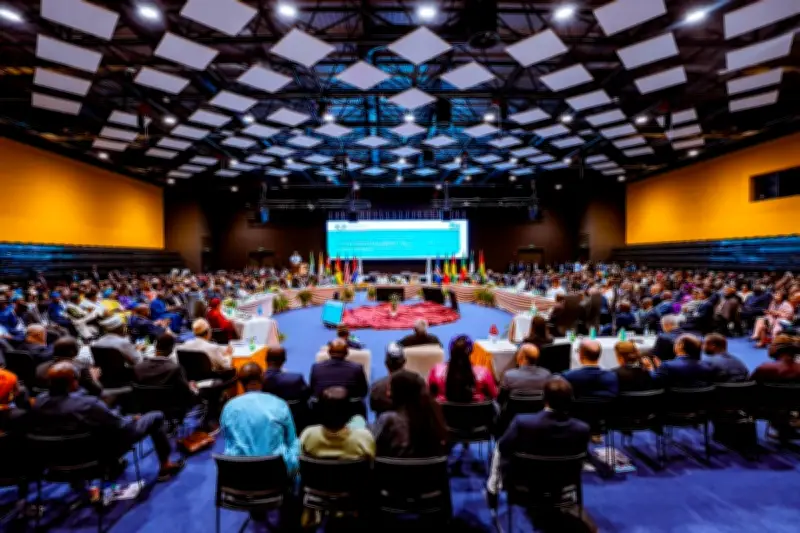
At a ceremony in Abuja, ECOWAS Commissioner for Infrastructure, Energy, and Digitalization, Sediko Douka, signed the agreement on behalf of the regional bloc. The deal reinforces ECOWAS's commitment to the project, which is expected to enhance energy security, promote economic integration, and generate revenue for participating nations. According to Douka, the pipeline will supply gas to all ECOWAS member states, providing a reliable and affordable energy source for millions.
Project Scope and Timeline
The Nigeria-Morocco gas pipeline, conceived by the Nigerian National Petroleum Corporation (NNPC) and Morocco's Office National des Hydrocarbures et des Mines (ONHYM), is one of the largest infrastructure projects in Africa. It will traverse Nigeria, Benin, Togo, Ghana, Côte d'Ivoire, Liberia, Sierra Leone, Guinea, Guinea-Bissau, Gambia, Senegal, and Mauritania before reaching Morocco. From there, it will connect to the existing Maghreb-Europe gas pipeline, supplying gas to Spain and other European markets. The project is estimated to cost $25 billion, with construction expected to take several years. Initial phases are slated to begin by 2027, though a definitive timeline remains contingent on securing financing and regulatory approvals.
Economic and Strategic Implications
The pipeline holds transformative potential for West Africa. It will monetize Nigeria's vast natural gas reserves, which are among the largest in the world, while providing a clean energy alternative to biomass and diesel in the region. For Morocco, the pipeline strengthens its role as an energy hub linking Africa to Europe. The project also aligns with the European Union's strategy to diversify gas supplies away from Russia, particularly in light of the ongoing energy crisis. ECOWAS estimates that the pipeline could create thousands of jobs during construction and operation, boost intra-regional trade, and reduce energy poverty across the bloc.
Challenges and Next Steps
Despite the political backing, the project faces significant hurdles. Financing the $25 billion pipeline requires coordination among international lenders, private investors, and development banks. Security concerns along the route, particularly in the Sahel region, pose risks to construction and operation. Additionally, the global transition to renewable energy could affect long-term demand for natural gas. ECOWAS and its partners are working to address these challenges through feasibility studies, environmental impact assessments, and stakeholder consultations. The new agreement provides a framework for harmonizing regulations and securing transit rights across the 12 countries involved.
In a statement, the ECOWAS Commission emphasized that the pipeline is a priority for the region's energy master plan. "This project is not just about gas; it's about transforming the economic landscape of West Africa," Douka said. "We call on all member states and development partners to support this historic initiative." The Nigerian government has also reaffirmed its commitment, with NNPC managing director Mele Kyari noting that the pipeline will unlock new markets for Nigeria's gas and strengthen bilateral ties with Morocco.




