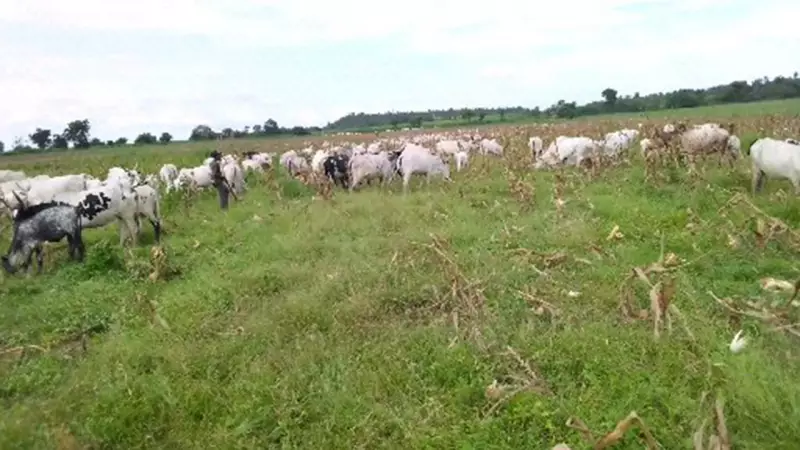
The Federal Government has officially refuted claims circulating in the media about a nationwide prohibition on open grazing. Instead, authorities are championing a phased shift towards contemporary ranching methods to modernize the livestock sector.
Government's Official Stance on Grazing
The Minister of Livestock Development, Idi Maiha, provided this crucial clarification, firmly stating that the government has not announced any policy to outlaw open grazing. He made this statement to counter widespread misleading reports. The minister emphasized that the current strategy is not about immediate bans but about creating a structured business environment for pastoralists, whom he described as a vital economic group.
Blueprint for the Ranching Transition
Detailing the government's approach, Maiha revealed a significant national asset: 273 gazetted grazing reserves spanning more than 4.5 million hectares of land across Nigeria. The Federal Government, in close collaboration with state governments, is now focused on a comprehensive plan to revitalize and equip these reserves. The goal is to make them conducive and productive for pastoralists and other livestock operators, providing a viable and sustainable alternative to open grazing.
This transition plan, as articulated by the minister, is designed to be gradual and well-structured. It acknowledges the need for a systematic move away from traditional practices without causing economic disruption. The ministry, through a statement from its Head of Press and Public Relations, Oghenekevwe Uchechukwu, has urged the public to disregard inaccurate reports and rely solely on official government channels for authentic information.
Path Forward for Nigeria's Livestock Sector
The government's position, clarified on 26 November 2025, marks a pivotal moment in addressing the longstanding conflicts associated with open grazing. By opting for a managed transition to ranching, the authorities aim to foster peace and boost productivity in the agricultural sector. This move is seen as a critical step towards resolving farmer-herder clashes and ensuring a more secure and profitable future for all stakeholders involved in livestock farming.