The Federal Government has officially clarified that it has not implemented any nationwide prohibition on open grazing, contrary to circulating reports. Instead, authorities are pursuing a structured, gradual shift toward contemporary ranching methods.
Government's Official Position on Grazing Policy
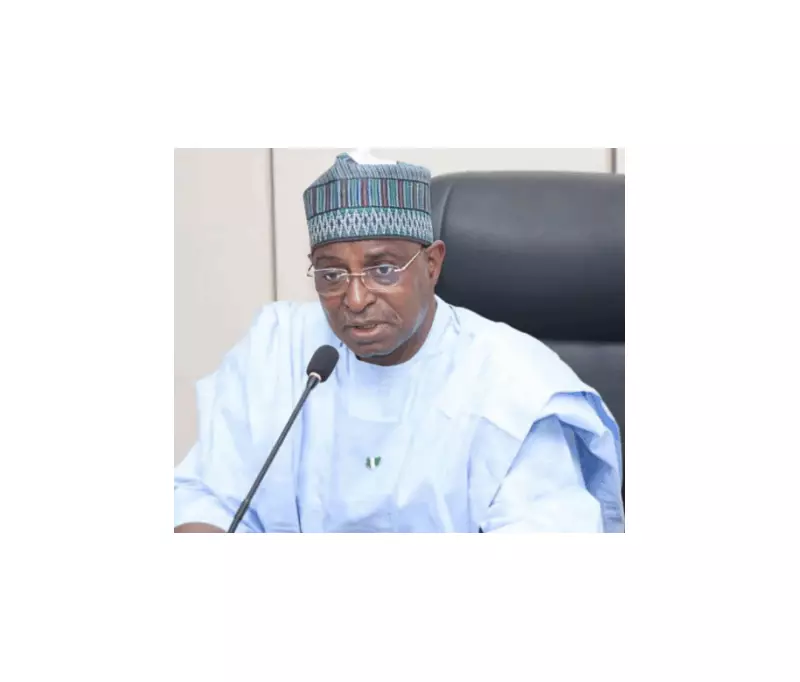
In a statement released on Tuesday, November 25, and signed by Oghenekevwe Uchechukwu, Head of Press and Public Relations at the Federal Ministry of Livestock Development, the government addressed what it termed misleading information. The Minister of Livestock Development, Alhaji Idi Maiha, personally confirmed that no policy banning open grazing has been announced at the national level.
The ministry emphasized that the current approach involves implementing a gradual, structured transition from traditional open grazing to modern ranching systems. This measured strategy aims to balance economic interests with environmental and security concerns.
Existing Grazing Infrastructure and Development Plans
Minister Maiha revealed significant details about Nigeria's current grazing resources. The country presently maintains 273 officially gazetted grazing reserves that cover an impressive over 4.5 million hectares of land nationwide.
The Federal Government is actively collaborating with state governments to revitalize and properly equip these reserves, making them more suitable for pastoralists and other livestock operators. "The grazing reserves provided by law are meant to serve as business premises for all livestock activities," the Minister explained.
Structured Transition Approach and Benefits
The government's transition plan deliberately avoids abruptly eliminating open grazing practices. Instead, it focuses on creating viable alternatives that support productivity while reducing conflicts between farmers and herders.
"The transition plan does not abolish open grazing overnight but provides viable alternatives that support productivity, reduce conflicts, and promote a sustainable livestock ecosystem," the official statement clarified.
Minister Maiha stressed that pastoralists deserve a structured business environment comparable to other economic sectors. "Our responsibility is to upgrade these reserves and facilitate their proper utilization," he added, underscoring the government's commitment to modernizing livestock management practices.
The Ministry has urged the public to disregard inaccurate reports and rely exclusively on official government communication channels for authentic information regarding livestock development policies.