
Federal Government Clarifies Stance on Open Grazing
The Federal Government has officially denied widespread media reports suggesting that open grazing has been prohibited across Nigeria. Instead, authorities are implementing a gradual shift toward contemporary ranching methods to modernize the livestock sector.
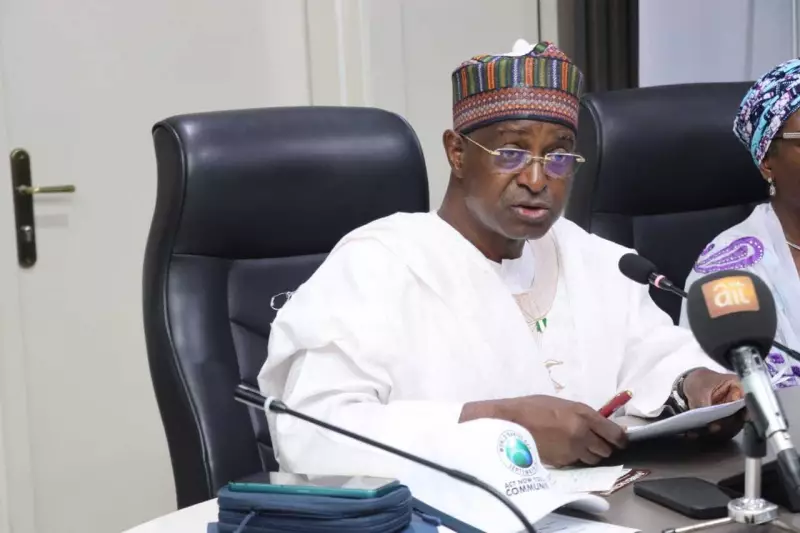
Minister of Livestock Development, Idi Maiha, provided this clarification on Tuesday, November 25, 2025, explicitly stating that no official policy banning open grazing has been announced by the administration.
Strategic Transition to Modern Ranching Systems
Maiha emphasized that the government's current strategy focuses on a structured and incremental transition from traditional open grazing to more efficient and sustainable modern ranching systems. He explained that pastoralists, similar to other business sectors, require a well-organized operational environment to thrive.
The minister detailed the government's approach, revealing that Nigeria currently possesses 273 officially gazetted grazing reserves spanning more than 4.5 million hectares of land. According to the minister, the federal government is collaborating closely with state governments to revitalize, properly equip, and make these reserves fully operational for pastoralists and other livestock operators.
The transition plan does not involve an immediate abolition of open grazing but represents a concerted effort to provide viable and sustainable alternatives that can support productivity while reducing recurring conflicts between farmers and herders.
Government's Comprehensive Livestock Development Plan
"The grazing reserves provided by law are meant to serve as business premises for all livestock activities," Maiha stated. "Our responsibility is to upgrade these reserves and facilitate their proper utilization."
The minister outlined that the overarching objectives of this initiative include:
- Enhancing livestock productivity
- Reducing conflicts between farmers and herders
- Promoting a sustainable livestock ecosystem nationwide
In an official statement released by the ministry's Head of Press and Public Relations, Oghenekevwe Uchechukwu, the public was urged to disregard misleading reports and rely exclusively on official government communication channels for accurate information regarding livestock policies.
President Tinubu Launches Flood Management Project
In separate developments, President Bola Ahmed Tinubu has inaugurated the Global Flood Disaster Management Project (GFDMP), designed to mitigate climate change impacts and strengthen Nigeria's long-term resilience against flooding.
The President, represented at the Tuesday launch in Abuja by the Minister of Agriculture and Food Security, Senator Abubakar Kyari, described GFDMP as a multi-year program intended to shift Nigeria from reactive flood responses to proactive, preventive approaches.
Tinubu emphasized that climate change effects are continuous, requiring strategic, coordinated, and sustainable solutions. He noted that resilience develops through consistent investment, careful planning, continuous monitoring, and technological innovation over extended periods.
The federal government considers this project a significant step toward addressing climate-related disasters that damage farmland, displace communities, and cripple essential infrastructure across the nation.
The President highlighted the project's four fundamental pillars:
- Advanced Early Warning Systems
- Flood Resilient Infrastructure
- Capacity Building and Knowledge Transfer
- Community Engagement and Local Participation
The initiative will enhance forecasting capabilities, introduce real-time monitoring systems, and deploy digital alert mechanisms to provide citizens and government agencies with extended preparation and response time during flood emergencies.
"Nigeria is proud to be part of this global movement," President Tinubu revealed. "Our government has already prioritized early warning systems, modern hydrological infrastructure, improved disaster-response coordination, and environmental protection."
He affirmed that the GFDMP would strengthen and accelerate these priorities by providing global expertise and technological support. The President pledged the administration's "full cooperation, active participation, and unwavering commitment to ensuring that this multiyear programme reaches every community that needs it."




