
FG Reopens Completed Sections of Enugu-Onitsha Road, Hails Infrastructure Milestone
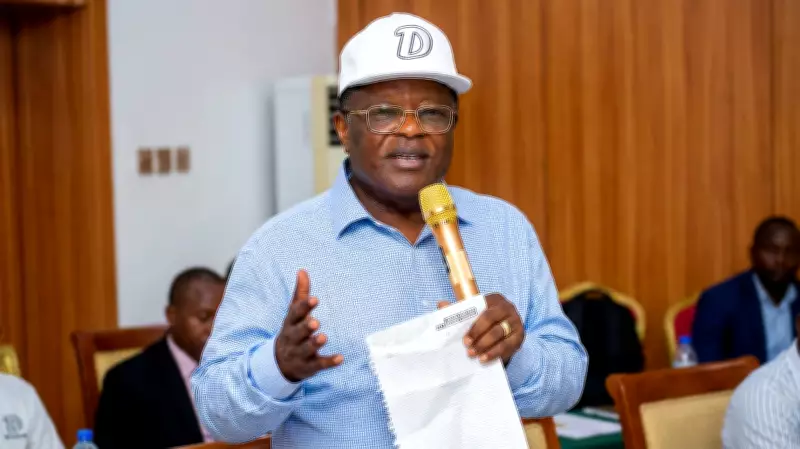
The federal government on Thursday officially reopened the initial 15 kilometres of completed sections along the Enugu–Onitsha highway, marking a significant advancement in infrastructure development across the Southeast region. Minister of Works, David Umahi, presided over the ceremony, describing the project as a major milestone that underscores the administration's commitment to enhancing connectivity and economic growth in the zone.
Accelerated Construction and Technological Upgrades
Umahi recalled that prior to the current administration, the critical highway—one of the busiest routes in the Southeast—had severely deteriorated, with travel times often exceeding seven hours due to poor conditions. The project, originally awarded in 2023, faced prolonged delays and minimal progress until federal intervention restructured the contract and introduced reinforced concrete pavement on key sections to ensure long-term durability.
He explained that while part of the project remains under its original contractor, a 72-kilometre stretch is now being rebuilt using high-quality concrete technology designed to last between 50 and 100 years with minimal maintenance. This upgrade aims to address previous shortcomings and provide a more resilient infrastructure solution.
Cost and Progress Details
The total cost of reconstructing the Enugu–Onitsha road stands at over N350 billion, combining both the existing contract and the newly reviewed sections. Umahi emphasised that the first 15 kilometres of concrete pavement have been opened to ease traffic ahead of the Easter season, providing immediate relief to motorists and commuters.
Additional sections—spanning 18 kilometres and 39 kilometres respectively—are at various stages of completion, with strict directives issued to ensure uniform construction standards across the entire route. The Minister highlighted that these efforts are part of a broader push to improve road networks in the Southeast.
Broader Infrastructure Initiatives in the Southeast
Umahi lauded President Bola Tinubu for prioritising infrastructure in the Southeast, noting that multiple road projects are currently ongoing across the region. He listed major corridors linking Enugu, Abakaliki, Aba, Port Harcourt, and Onitsha, as well as the Second Niger Bridge access roads, as key examples of this commitment.
Federal investments, such as the Lagos–Calabar Coastal Highway and other legacy projects, are expected to enhance connectivity between the Southeast and other parts of Nigeria, fostering economic integration and development. Umahi also pointed to ongoing reconstruction of additional roads under various funding arrangements, including tax credit schemes and direct federal funding, with many projects nearing completion.
Addressing Public Concerns and Future Outlook
While acknowledging public concerns about other unfinished road sections, Umahi insisted that work is actively progressing and urged Nigerians to verify developments on-site rather than relying on outdated reports. He called on leaders in the Southeast to support the current administration, arguing that the region is witnessing increased federal attention and inclusion in national development efforts.
The Enugu–Onitsha road project is slated for full completion by 2026, with Umahi describing it as a transformative development that will significantly reduce travel time, improve safety, and boost economic activities across the region. This initiative reflects a strategic focus on infrastructure as a catalyst for regional growth and national cohesion.




