
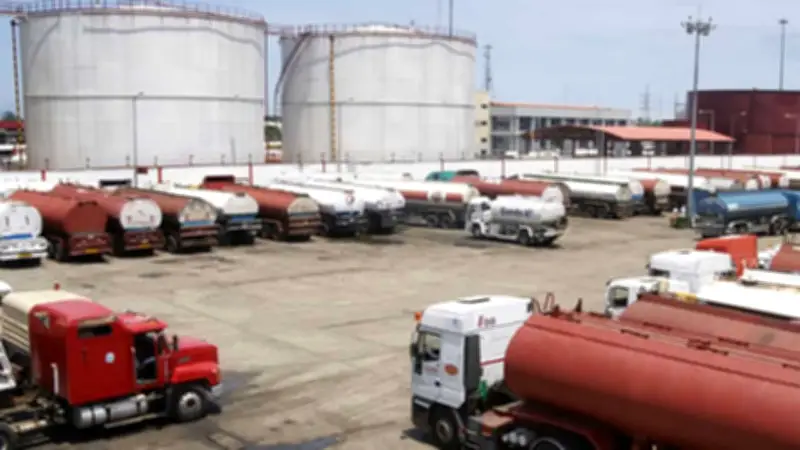
Petrol marketers across Nigeria have suspended fresh purchases of petroleum products following the latest increase in the ex-depot price, which has now reached N1,220 per litre. This development has intensified concerns over fuel availability and potential price hikes at retail outlets nationwide.
Marketers Stop Procurement Amid Rising Costs
Industry sources confirmed that the Independent Petroleum Marketers Association of Nigeria (IPMAN) and other major dealers have halted procurement due to the unsustainable ex-depot price. The ex-depot price, which is the price at which petrol is sold to marketers by depot operators, has risen sharply from around N800 per litre in recent weeks to N1,220 per litre as of mid-July 2026.
According to a statement from IPMAN's national spokesperson, the decision to stop purchases was reached after a meeting of the association's leadership. “We cannot continue to buy at these ex-depot rates because the pump price would become unbearable for Nigerians. Many of our members are already selling above the official pump price just to break even,” the spokesperson said.
Impact on Pump Prices and Consumers
The halt in purchases is expected to exacerbate the ongoing fuel scarcity in several states, including Lagos, Abuja, and parts of the north. Retail pump prices have already climbed to between N1,500 and N1,800 per litre in some filling stations, far above the government-regulated price of N1,200 per litre. The Nigerian National Petroleum Company Limited (NNPCL) has yet to issue an official statement on the price adjustment, but marketers insist that the ex-depot price increase leaves them with no choice.
An economist at the University of Lagos warned that the situation could trigger a spike in transportation costs and general inflation. “If the ex-depot price remains at N1,220, we could see pump prices hitting N2,000 per litre in the coming weeks. This will have a cascading effect on the cost of goods and services,” the economist said.
Government Response and Regulatory Oversight
The Nigerian Midstream and Downstream Petroleum Regulatory Authority (NMDPRA) has not officially approved the new ex-depot price, but depot operators claim the increase reflects global crude oil prices and the removal of fuel subsidies. The government has maintained that it will not revert to subsidy payments, which cost the country billions of naira annually.
However, the halt in purchases has raised fears of a complete breakdown in fuel supply. The NMDPRA has called for an emergency meeting with marketers and depot owners to resolve the impasse. In a statement, the authority urged marketers to resume purchases, warning that the suspension could lead to severe shortages. “We are aware of the challenges, but we must ensure that Nigerians have access to petrol. We are working to find a balanced solution,” the NMDPRA statement read.
Long-Term Implications for Nigeria's Energy Sector
This development underscores the fragility of Nigeria's fuel supply chain, which remains heavily dependent on imports despite the country's status as a major oil producer. The recent increase in global crude prices, coupled with the naira's depreciation, has made petrol imports more expensive. Analysts argue that without significant investment in local refining capacity, Nigeria will continue to face periodic fuel crises.
The Dangote Refinery, which was expected to ease supply constraints, is still ramping up production and has not yet fully met domestic demand. Meanwhile, the Nigerian government has pledged to support modular refineries, but progress has been slow.




