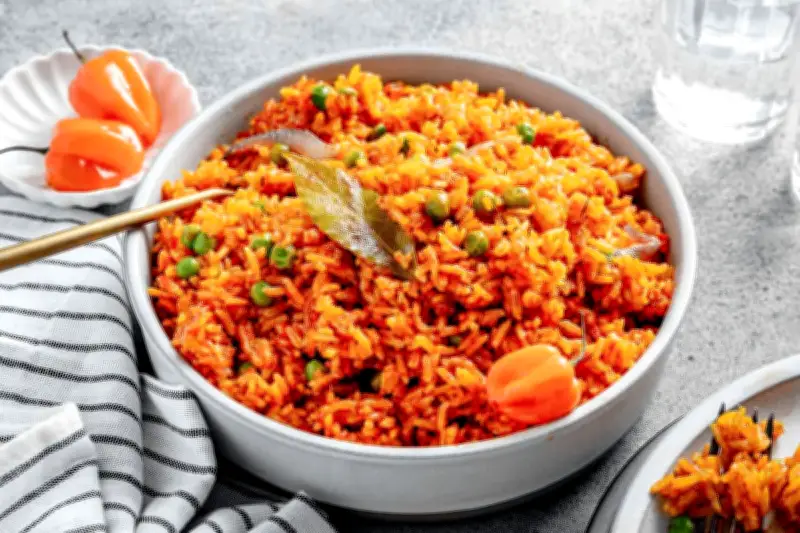
The cost of preparing a pot of jollof rice in Nigeria has surged by more than 400% over the past year, a new report has revealed. The sharp increase is attributed to the rising prices of key ingredients such as rice, tomatoes, vegetable oil, and seasonings, reflecting the broader inflationary pressures gripping the nation's economy.
Details of the Cost Surge
According to the report by the National Bureau of Statistics (NBS), the average cost of cooking a standard pot of jollof rice, which serves a family of six, now stands at approximately ₦12,500, up from ₦2,500 in the same period last year. This represents a 400% increase, far outpacing the general inflation rate, which stood at 33.95% in June 2026.
Key Drivers of the Increase
The NBS attributed the surge to multiple factors. The price of a 50kg bag of rice, a staple for the dish, has risen from ₦45,000 to ₦85,000 in the past year. Tomatoes, another essential ingredient, have seen prices skyrocket by over 300% due to supply chain disruptions and seasonal shortages. Vegetable oil and seasoning cubes have also recorded significant price hikes, contributing to the overall cost.
Impact on Households
“The rising cost of jollof rice is a clear indicator of the food crisis facing Nigerian households,” said Dr. Funmi Adebayo, an economist at the University of Lagos. “Many families are now forced to reduce their meal portions or substitute ingredients, which affects nutrition and food security.” The report highlights that low-income households are the hardest hit, with some skipping meals altogether.
Government Response and Outlook
The federal government has acknowledged the situation, with the Ministry of Agriculture and Food Security announcing plans to boost local food production and improve supply chains. However, analysts argue that structural issues such as insecurity in farming regions, poor storage facilities, and high transportation costs remain unresolved. The NBS predicts that food prices may continue to rise in the coming months unless urgent interventions are implemented.
Broader Economic Context
Nigeria's inflation rate has been on an upward trend, driven by currency devaluation, removal of fuel subsidies, and global commodity price shocks. The cost of a basic food basket has increased by over 50% year-on-year, according to the NBS. The jollof rice cost surge is emblematic of the challenges faced by millions of Nigerians in affording everyday meals.