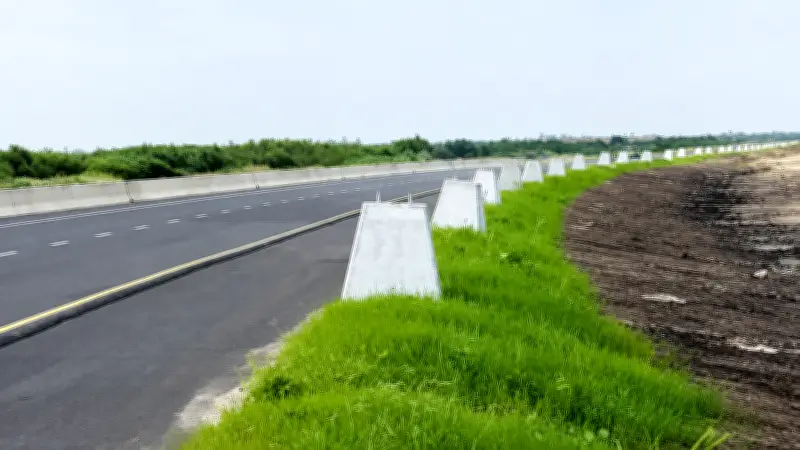
Julius Berger Nigeria Plc has completed the 37.9-kilometre Bodo-Bonny Road project in Rivers State within the approved budget, despite difficult terrain and natural challenges encountered during construction. The project, which began on October 20, 2017, and underwent several cost reviews, is the first road link connecting Bonny Island to the rest of Rivers State.
Landmark Infrastructure for Niger Delta Development
The Bodo-Bonny Road is regarded as a landmark infrastructure project for the development of the Niger Delta and a catalyst for the continued growth of Bonny Island, a key industrial hub tied to Nigeria's economic development. Confirming the development, Project Manager Tim Nippert disclosed that a few workers remained on site carrying out tree planting along the road corridor and laying foundations for streetlights, particularly around the Kilometre 12 roundabout. He added that some bridge joints on the road were also being completed because certain imported materials arrived late.
Cost Savings Fund Additional Features
According to Nippert, Julius Berger completed the project within the approved budget and generated savings currently being used to fund additional features such as street lighting and beautification works. He noted that outstanding tasks, including enhancements, would be completed within the next two weeks. He said: "From the contract sum, we made some savings and the ministry awarded us to provide streetlights and do some beautification like tree planting. We are now equipping the entire project with additional streetlights, with budgets we have saved. It's actually very good for the ministry that they don't need to spend more money."
Ministerial Directive and Project Justification
The Minister of Works, Dave Umahi, had directed that the Bodo-Bonny Road be opened to users by the end of November 2025, while full completion and commissioning were scheduled for a later date. Umahi gave the directive during an inspection tour of federal road projects across the South-South and South-East regions in October 2025, during which he assessed the work executed by Julius Berger. Justifying the project cost, the minister said the cost translated to about N7.4 billion per kilometre, which he described as reasonable considering the terrain and quality of work. "This is a coastal route going through marshy lands. If we were to do this project now, it would cost over N15 billion per kilometre. The quality of work is very good, and I'm very happy with the commitment of the project manager," Umahi stated.
Additional Features and Phase Two Approval
The minister directed that all barricades be removed by the end of November to allow partial traffic flow while monitoring continued pending the completion of final asphalt surfacing. Umahi also said President Bola Tinubu would commission the road and disclosed plans to install solar-powered streetlights, Closed Circuit Television (CCTV) cameras, and trees along the embankments. He explained that the additional features would be financed through the project's contingency funds without extra cost to government. The project is also regarded as a benchmark for public-private sector financing cooperation due to the special contractual arrangement involving 50 per cent funding support from the Nigeria LNG Limited (NLNG).
Construction Challenges and Scope
Technically, the road project posed major construction challenges because of the low-lying marshy terrain, muddy and swampy soil conditions, and significant tidal movements. The scope of work included the construction of a 39-kilometre road, cross culverts, two mini bridges with a 23-metre span, and two creek bridges. The project also involved extensive dredging activities and the application of specialised soil stabilisation techniques, including the use of incremental launching methods for bridge construction. Meanwhile, President Tinubu has approved Phase Two of the Bodo-Bonny Road project in Rivers State. Umahi disclosed this recently during a medallion award presentation organised by the Bodo-Bonny Road and Bridges Peace Committee in Abuja. Represented by the Minister of State for Works, Bello Goronyo, Umahi described the road as more than a physical link, saying it represents opportunity, economic growth, and national cohesion. He added that the ministry was already "putting pen on paper to start work immediately." According to the minister, the project is a strategic connectivity link expected to reduce insecurity and boost commerce in the Niger Delta. Earlier, the Chairman of the Planning Committee for the Bodo-Bonny Road project award ceremony, Prof Jasper Jumbo, said the completion of the project showed that the affected communities had finally been remembered after 38 years of neglect.