Nigerian Manufacturers Face Collapse Amid Soaring Energy Costs and Power Crisis
In recent months, Nigeria's public power supply has deteriorated dramatically, with numerous regions experiencing extended blackouts lasting days or even weeks. This dire situation has been exacerbated by a sharp surge in the prices of petrol and diesel, which many households and businesses rely on as alternative energy sources.
Escalating Costs and Production Hurdles
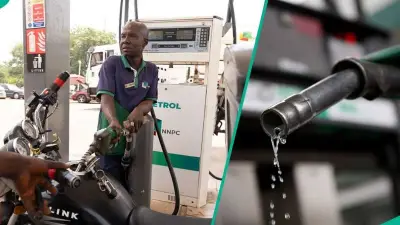
Petrol prices have skyrocketed from N830 per litre to N1,250 in March, marking a 50.6 percent increase, while diesel has risen to N1,650 per litre from N950. These hikes are placing immense financial strain on enterprises across the country. Year after year, expenditures on alternative energy continue to climb, a trend that the Manufacturers Association of Nigeria (MAN) has repeatedly condemned as detrimental to production and overall productivity.
In 2024, manufacturers spent over a trillion naira on alternative energy, representing a 42 percent increase from the N782 billion recorded in 2023. By last year, MAN estimated that this consumption exceeded N1.5 trillion, driven by the unreliability of the national grid, frequent collapses, persistent blackouts, and the high costs of fuel and diesel for powering generators.
Voices from the Industrial Frontlines
Frank Ike Onyebu, former MAN President of the Apapa branch, highlighted the inconsistent electricity supply in the Amuwo-Odofin industrial axis, where blackouts can last up to 48 hours without explanation. He lamented, "We have to allocate funds for diesel purchases, and diesel is now exorbitantly expensive. Previously, despite strict generator usage regulations, we spent about N30 million monthly on diesel. This excludes grid power payments. With the recent fuel price hikes, we anticipate diesel costs reaching N45-50 million by month's end."
Onyebu, who also serves as Executive Director of Universal Luggage Ltd, noted that this crisis is severely impacting production. The company cannot afford prolonged generator operation, often forcing production halts while awaiting grid power. He urged the government to ensure adequate crude oil supply to the Dangote Refinery to mitigate international market price effects on Nigeria.
"This is no way to run a business. How can we industrialize without reliable power? Petrochemicals, essential for plastics and packaging, have also seen price surges, so expect widespread product price increases soon. Manufacturing costs are rising, but demand is falling as Nigerians grow poorer," he added.
Warnings of Sector Collapse
Dr. Femi Egbesola, National President of the Association of Small Business Owners in Nigeria (ASBON), expressed deep concern that manufacturers and businesses are on the brink of closure. He warned that without intervention, the manufacturing sector could collapse imminently. "Electricity supply is worsening, and generators are becoming unaffordable due to diesel costs," he stated.
Citing official data, Egbesola revealed that small and medium-sized businesses previously spent over 40 percent of profits on alternative energy, but this has now soared to over 80 percent. Many are depleting working capital to cover energy expenses. "Nigeria, as a crude oil producer and refiner, should not be so adversely affected by global market fluctuations. The current administration pledged to fix electricity, yet the situation has deteriorated significantly," he lamented.
He emphasized that the real sector is hardest hit by this crisis, with negative economic implications yet to fully materialize. "By the time we grasp the severity, it may be irreparable. We've protested for years, but the government appears indifferent. Aso Rock has transitioned to solar power—what does that signify for those still grid-dependent?" he questioned.
Call for Government Action
Egbesola stressed that stable electricity is essential for meaningful productivity, noting that solar alternatives are costly and limited for powering certain equipment. He insisted that reliable grid power would eliminate the need for diesel. "The government claims reforms are effective on paper, but we, the economy's engine room, see no improvements. Workers struggle with transport costs exceeding daily wages, and funds are diverted from food to fuel and transport," he said.
Challenging the government to account for savings from the fuel subsidy removal three years ago, he cited zero progress in critical infrastructure like electricity and social amenities. He called for temporary subsidies on petrol and diesel to help businesses survive until 24-hour electricity supply can be guaranteed.