
Middle East Conflict Disrupts Global Fertilizer Supply, Threatens African Food Systems
The ongoing Middle East conflict has generated a major shock to global energy, fertilizer, and agrifood systems, with significant repercussions for Nigeria and Africa at large. A central factor in this disruption is the strategic maritime corridor known as the Strait of Hormuz, which links Gulf energy producers with global markets. Under normal conditions, this strait carries approximately 20 million barrels of crude oil and refined products daily, representing about one-quarter of global seaborne oil traffic, along with substantial volumes of Liquefied Natural Gas (LNG) and fertilizer exports.
Impact on African Food Systems
According to the latest information from the Food and Agriculture Organisation (FAO), the conflict could have serious knock-on effects for Africa's food systems. These effects are primarily driven by higher energy, transport, and fertilizer costs. The report highlights that many African countries rely heavily on fertilizer imports from Gulf producers. Disruptions through the Strait of Hormuz could lead to increased prices, reduced fertilizer use, and added pressure on smallholder farmers and food production.
Countries such as Sudan, Kenya, Tanzania, Somalia, and Mozambique are flagged as especially exposed to these risks. In West Africa, producers including Nigeria, Ghana, and Côte d'Ivoire could also feel the impact through higher input costs and pressure on key crops. As Africa is one of the most import-dependent regions globally, the continent is particularly vulnerable if the crisis continues. Rising fuel and shipping costs could make food imports more expensive, while reduced fertilizer use could weaken crop yields and contribute to higher food prices later in the year.
Disruption of Trade and Market Volatility
Within days of the conflict's escalation, tanker traffic through the Strait of Hormuz collapsed by more than 90 percent, severely restricting shipments. This disruption rapidly transmitted volatility to global energy markets and the global agrifood system. The Persian Gulf plays a central role in the global energy system, with countries like Bahrain, Iraq, Iran, Kuwait, Qatar, Saudi Arabia, Oman, and the United Arab Emirates accounting for a large share of global oil and gas exports. Approximately one-fifth of global LNG exports originate in this region, which is also a key supplier of refined fuels such as Liquefied Petroleum Gas (LPG), diesel, and jet fuel.
As maritime risks increased and insurance costs surged, shipping activity through the Strait of Hormuz dropped sharply, forcing producers to reduce output. By early March, export volumes through the corridor had fallen to less than 10 percent of pre-conflict levels. This left an estimated 10 million barrels per day of oil production temporarily shut in due to export constraints. Global markets reacted immediately, with oil prices rising rapidly as traders incorporated a substantial geopolitical risk premium. Brent crude prices increased by about 20 to 35 percent in the first days of the conflict, briefly reaching around $115 to $120 per barrel, while U.S. benchmark prices rose above $100 per barrel.
Fertilizer Production and Supply Chain Issues
Beyond energy, the Persian Gulf is a major hub for global fertilizer production and exports. Countries such as Iran, Qatar, Saudi Arabia, and Oman are among the world's leading exporters of nitrogen fertilizers, including urea and ammonia. In recent years, the region has accounted for roughly 30 to 35 percent of global urea exports and around 20 to 30 percent of ammonia exports. Overall, up to 30 percent of internationally traded fertilizers normally transit the Strait of Hormuz.
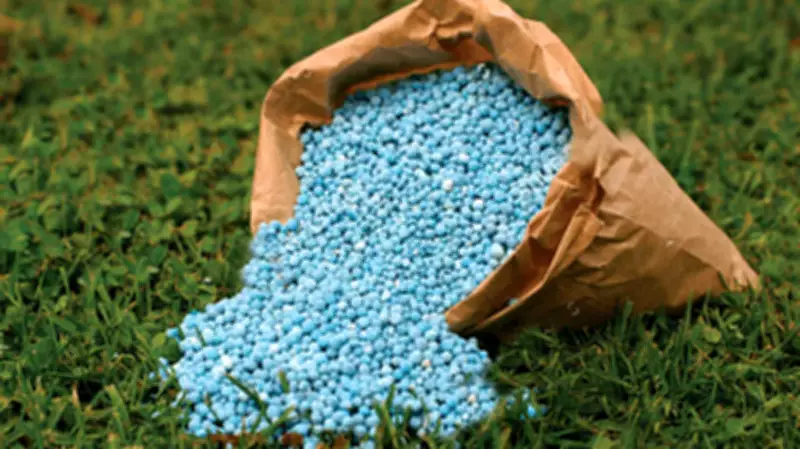
With maritime traffic severely disrupted and several production facilities damaged or temporarily closed due to security concerns, fertilizer supply chains have been heavily affected. Production cuts and shipping constraints have stalled an estimated three to four million tonnes of fertilizer trade per month. Unlike the oil sector, the fertilizer industry does not have internationally coordinated strategic reserves, making supply disruptions more difficult to manage.
Price Increases and Agricultural Implications
Prices have already increased significantly as a result of these disruptions. In early March, Middle East granular urea prices rose by nearly 20 percent compared to late February levels, while other fertilizer prices, such as diammonium phosphate, also saw increases. Because nitrogen fertilizer production relies heavily on natural gas as a feedstock, the rise in energy prices has further amplified production costs.
It is estimated that global fertilizer prices could average 15 to 20 percent higher during the first half of 2026 if the crisis continues. These developments are beginning to affect global agricultural commodity markets. Rising fertilizer costs and higher fuel prices increase production expenses for farmers and may lead to reduced fertilizer use in many regions. Lower input application could result in lower crop yields later in the year and tighter global grain supplies, exacerbating food security challenges worldwide.




