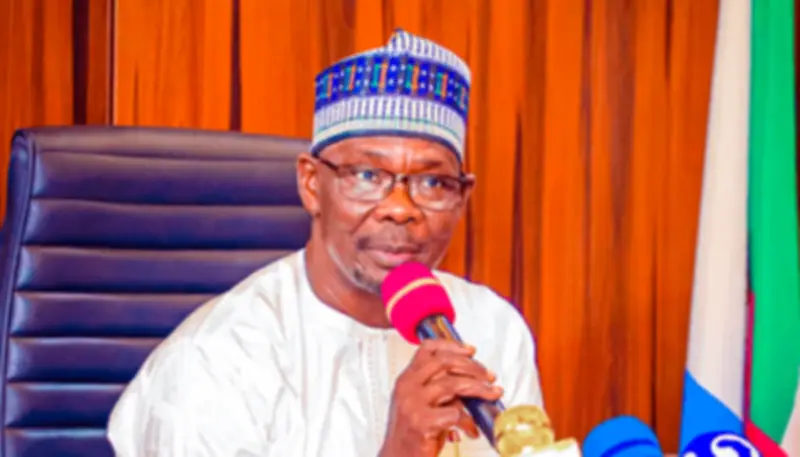
Nasarawa State has signed a $2 million lithium extraction agreement with a Chinese firm, marking a significant step in Nigeria's efforts to diversify its economy through solid minerals. The deal was announced on August 14, 2026, by the state government, which said it would enhance local mining capacity and create jobs.
Details of the Lithium Agreement
The agreement was signed between the Nasarawa State government and the Chinese company, whose name was not disclosed in the source. Under the deal, the Chinese firm will invest $2 million in lithium mining and processing operations within the state. The project is expected to tap into Nasarawa's rich lithium deposits, which are increasingly sought after for use in batteries and electronics.
Governor Abdullahi Sule, who was quoted in the announcement, said the partnership aligns with his administration's goal of attracting foreign direct investment into the solid minerals sector. He noted that the state has been proactive in creating a conducive environment for investors, including improving security and infrastructure in mining areas.
Economic Impact and Job Creation
The lithium deal is projected to generate substantial economic benefits for Nasarawa State. According to the state government, the project will create direct and indirect employment opportunities for local residents, although specific figures were not provided. The revenue from royalties and taxes is expected to boost the state's internally generated revenue, which has been a focus for the administration.
Lithium is a critical mineral for the global transition to renewable energy, as it is a key component in rechargeable batteries for electric vehicles and energy storage systems. Nigeria, with significant lithium reserves in states like Nasarawa, Kogi, and Kwara, is positioning itself to become a major supplier in the global market.
Government's Stance on Solid Minerals
The Nasarawa State government has been actively courting investors in the mining sector, viewing it as a viable alternative to oil. Governor Sule has repeatedly emphasized the importance of solid minerals in diversifying the state's economy and reducing dependence on federal allocations.
The agreement with the Chinese firm is part of a broader strategy to formalize and regulate artisanal mining, which currently dominates the sector. By partnering with established international companies, the state aims to introduce modern extraction techniques and ensure environmental sustainability.
This deal also reflects China's growing interest in African mineral resources, as Beijing seeks to secure supply chains for critical minerals. Nigeria, with its vast untapped reserves, offers a promising frontier for such investments.
Next Steps and Monitoring
The state government has said it will monitor the implementation of the agreement to ensure compliance with local content requirements and environmental standards. A technical committee is expected to be set up to oversee the project's progress and address any challenges that may arise.
As the project moves forward, stakeholders will be watching to see if it delivers on its promises of job creation and revenue generation. The success of this deal could serve as a model for other states looking to attract foreign investment into their mining sectors.