Niger's Military Government Takes Firm Stance on Natural Resource Contracts
In a significant move to assert control over its natural resources, the military government of Niger has announced the cancellation of concessions for three gold mining companies and the denial of a licence extension request from a British oil firm. The ruling junta, which has governed the country since the 2023 military coup, cited failures by these companies to meet their contractual obligations as the primary reason for these actions.
Revocation of Gold Mining Concessions
According to an official government statement, concessions granted between 2017 and 2020 to three gold mining and processing companies—Comini, Afrior, and Ecomine—have been formally revoked. Authorities accused these companies of not honoring their commitments, which include paying taxes, submitting annual technical and financial reports, and complying with environmental regulations. This decision underscores the junta's increasing focus on enforcing accountability in the mining sector.
Niger is a notable producer of uranium, gold, and oil, but currently operates only one active industrial gold mine, the Samira gold mine. This mine was nationalized by the junta last year, highlighting a broader trend of state intervention in the country's resource management. The revocation of these concessions further tightens the government's grip on gold mining activities, potentially impacting future investments in the sector.
Denial of Oil Licence Extension
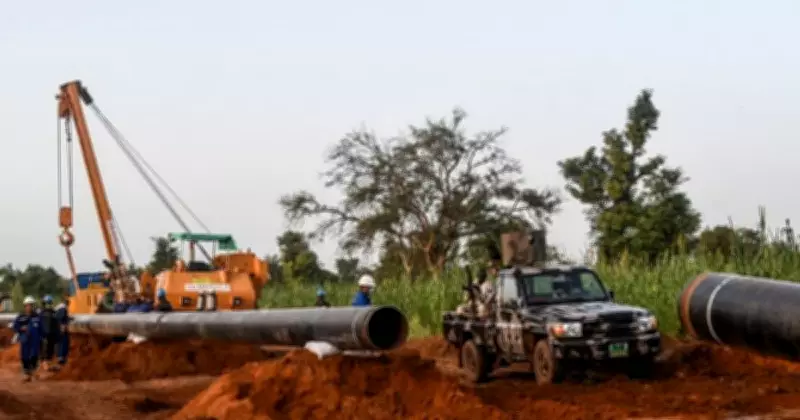
In addition to the mining cancellations, the government rejected a request by British energy company Savannah Energy for an extension of its exploration and drilling licence in southeastern Niger. Officials stated that the firm had failed to comply with the terms of an output-sharing contract covering four oil blocks. These blocks span approximately half of the Agadem Rift Basin, which is Niger's primary oil-producing area.
Savannah Energy has previously reported making a significant oil discovery within this basin, adding context to the licence extension request. However, the government's decision reflects a strict adherence to contractual terms, signaling that non-compliance will not be tolerated, even for major international players. This move could have implications for Niger's oil production and foreign investment in its energy sector.
Broader Implications for Niger's Economy
The actions taken by Niger's military government are part of a larger strategy to assert greater control over the nation's natural resources. Since the 2023 coup, the junta has increasingly prioritized resource management, aiming to ensure that companies operating in Niger adhere to their agreements and contribute to the national economy. This includes enforcing tax payments, environmental standards, and reporting requirements.
These measures may affect Niger's economic landscape, particularly in terms of foreign investment and resource development. While the government seeks to protect national interests, the revocation of concessions and denial of licence extensions could lead to legal disputes or deter future investors. Nonetheless, the junta appears committed to holding companies accountable, as evidenced by these recent announcements.
As Niger continues to navigate its post-coup governance, the management of its natural resources remains a critical issue. The decisions regarding the gold mining concessions and oil licence extension highlight the government's proactive approach, but also raise questions about the balance between state control and international partnerships in the resource sector.