
Nigeria and South Korea Seal Historic Agreement for Electric Vehicle Production
In a significant move toward sustainable industrialization, Nigeria has entered into a strategic partnership with South Korea to establish an electric vehicle manufacturing plant and develop comprehensive charging infrastructure across the country. This landmark agreement, formalized through a memorandum of understanding, marks a pivotal step in Nigeria's efforts to transition to cleaner energy solutions and bolster its automotive sector.
Details of the Bilateral Agreement
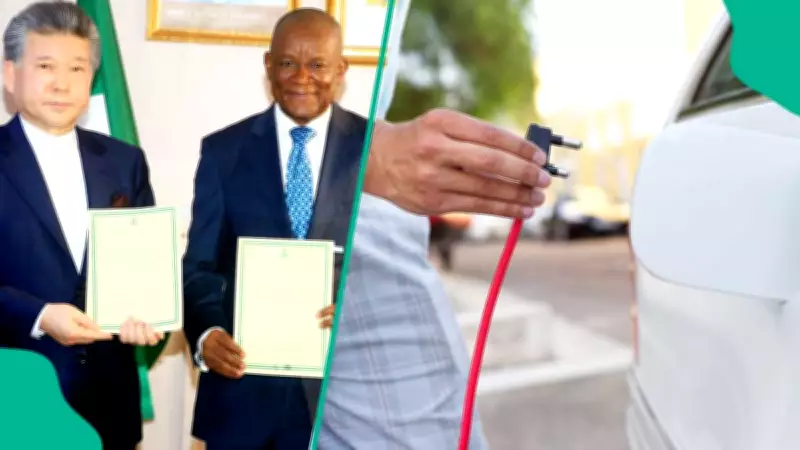
The memorandum of understanding was officially signed on January 30 by John Enoh, Nigeria's Minister of State for Industry, and representatives from South Korea's Asia Economic Development Committee (AEDC). The National Automotive Design and Development Council (NADDC) confirmed the signing, highlighting that this collaboration aligns with Nigeria's National Energy Transition Plan and the National Automotive Industry Development Plan. These frameworks aim to reduce carbon emissions and promote local manufacturing capabilities.
Phased Implementation and Economic Impact
According to the NADDC, the electric vehicle project will be implemented in phases, beginning with assembly operations before expanding into full-scale in-house manufacturing. The planned facility is projected to achieve a production capacity of approximately 300,000 vehicles annually. This initiative is expected to generate around 10,000 jobs, providing substantial employment opportunities and fostering skill development in the automotive industry.
At the signing ceremony, Oluwemimo Osanipin, the Director-General of the NADDC, emphasized that the partnership will facilitate technology transfer, attract foreign investment, enhance human capital development, and drive research and innovation within Nigeria's automotive sector. Osanipin was represented by Nura Sidi, the council's head of policy, planning, and statistics, who underscored the project's role in building a sustainable automotive ecosystem.
Broader Context and Legislative Support
This development occurs amid growing interest in electric mobility in Nigeria. Wale Tinubu, Group Chief Executive Officer of Oando Plc, has projected that electric vehicles could constitute up to 50% of Nigeria's total vehicle population within the next two decades. Additionally, the Nigerian Senate passed the second reading of a bill on November 5, 2025, which seeks to establish legal and policy frameworks to guide the transition from petrol-powered vehicles to electric alternatives.
Sponsored by Senator Orji Uzor Kalu, the proposed legislation aims to cut carbon emissions, promote local manufacturing, and position Nigeria to benefit from the global shift toward cleaner transportation. This legislative effort complements the NADDC's initiative, reinforcing the government's commitment to environmental sustainability and economic diversification.
Industry Trends and Future Prospects
The move toward electric vehicles is gaining momentum among Nigerian car dealers, with the Association of Motor Dealers of Nigeria reporting a shift in focus toward electric and gas-powered cars as profitable alternatives to traditional petrol vehicles. This trend reflects changing consumer demand and a broader recognition of electric mobility as the future of transportation in Nigeria.
The NADDC's collaboration with South Korea not only supports Nigeria's energy transition goals but also enhances the country's global competitiveness in the automotive industry. By fostering innovation and green energy adoption, this partnership is poised to transform Nigeria's transportation landscape and contribute to long-term economic growth.




