
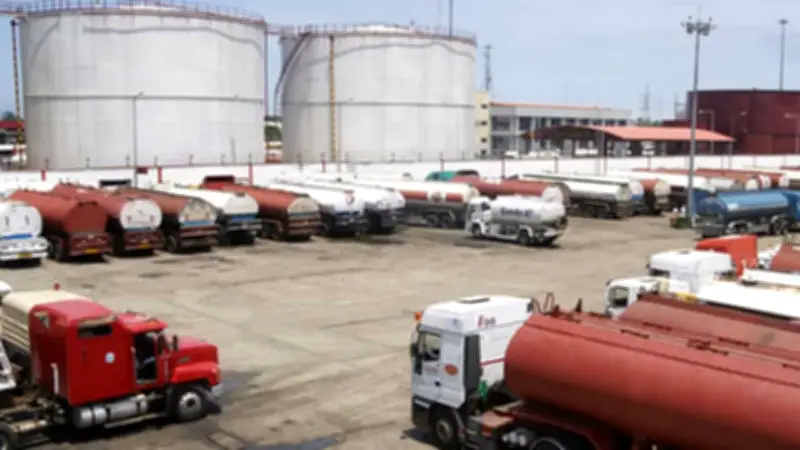
Oil Marketers Challenge Importers Over Petrol Pricing
The Independent Petroleum Marketers Association of Nigeria (IPMAN) has accused some petrol importers of fixing the price of Premium Motor Spirit (PMS) at N1,350 per litre, a move that has sparked controversy within the downstream oil sector. The association is questioning the basis for such pricing and has called for a review of the import licences granted to these companies.
According to IPMAN, the imported petrol is being sold to marketers at a price that is significantly higher than the regulated rate, leading to increased costs for consumers. The association argues that the N1,350 per litre price tag is unjustified and violates existing guidelines set by the Nigerian Midstream and Downstream Petroleum Regulatory Authority (NMDPRA).
IPMAN Questions Validity of Import Licences
IPMAN's National President, Alhaji Abubakar Garima, stated that the association is demanding a thorough investigation into the activities of the importers. He noted that many of these companies were granted import licences under unclear circumstances and may not be operating in compliance with the law. Garima emphasized that the current pricing regime is detrimental to the Nigerian economy and the welfare of citizens.
“We are calling on the authorities to review the import licences issued to these companies. Some of them are not even registered with the relevant agencies, yet they are importing petrol and dictating prices,” Garima said. He added that IPMAN had alerted the NMDPRA about the situation but no action has been taken so far.
Impact on Consumers and the Economy
The high cost of petrol has a ripple effect on the Nigerian economy, affecting transportation, food prices, and the cost of goods and services. Marketers who purchase petrol at N1,350 per litre are forced to sell at even higher prices to make a profit, placing an additional burden on consumers. IPMAN warns that if the trend continues, it could lead to a further increase in inflation and economic hardship.
Data from the National Bureau of Statistics (NBS) shows that the inflation rate has already risen to 34.19% in June 2026, driven largely by increases in food and energy costs. The petrol price hike is expected to worsen the situation, with many households struggling to afford basic necessities.
Regulatory Response and Next Steps
The NMDPRA has yet to issue an official statement regarding the allegations. However, sources within the authority indicate that a probe may be launched into the importation and pricing of petrol. The regulator is also expected to review the list of companies with valid import licences and ensure compliance with the Petroleum Industry Act (PIA).
IPMAN has called for the immediate suspension of import licences for companies found to be violating the law. The association also urged the government to strengthen local refining capacity to reduce dependence on imported petrol, which would help stabilize prices. Garima noted that the Dangote Refinery and other modular refineries could play a key role in achieving this goal.
In the meantime, oil marketers are advising consumers to be vigilant and report any instances of price gouging to the appropriate authorities. IPMAN has also pledged to work with the NMDPRA to ensure that petrol prices remain within the approved range.




