
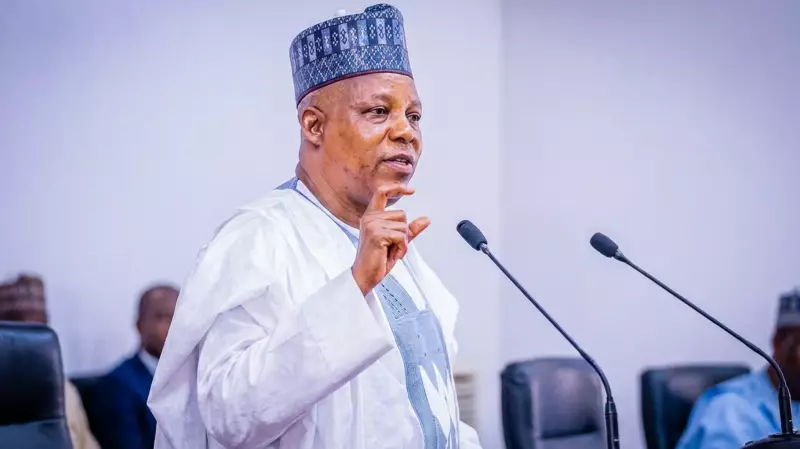
Vice President Kashim Shettima has taken charge of a crucial National Economic Council (NEC) session focused on implementing sweeping reforms in Nigeria's livestock and ranching sector.
NEC Advances Tinubu's Livestock Transformation Directive
On Thursday, January 15, 2026, Vice President Shettima presided over the 156th NEC gathering at the Presidential Villa in Abuja. This hybrid meeting, which began at 4:17 pm local time, represents the council's second assembly dedicated to a major presidential mandate.
The session's agenda was directly shaped by an order from President Bola Tinubu. During a Federal Executive Council meeting on December 10, 2025, Tinubu instructed the NEC to pinpoint and rehabilitate grazing reserves across the nation for conversion into modern ranches.
President Tinubu emphasized the dual goals of the initiative, stating, "We must eliminate the possibility of conflicts and turn the livestock reform into economically viable development. The opportunity is there. Let’s utilise it." This directive tasks the NEC with collaborating closely with the Ministry of Livestock Development to create a comprehensive roadmap for overhauling the industry.
National Committee Takes Shape
Responding to the president's call, the NEC had already inaugurated a special committee on livestock development during its 155th meeting on December 18, 2025. This body is designed to fast-track the nationwide implementation of livestock production and ranching reforms.
The committee features broad national representation and is chaired by Kebbi State Governor, Nasir Idris. Its membership ensures all six of Nigeria's geo-political zones have a voice:
- North-East: Bauchi State
- North-Central: Niger State
- South-West: Ondo State
- South-East: Imo State
- South-South: Cross River State
- North-West: Kebbi State
Other key members include the Ministers of Livestock Development, Agriculture and Food Security, and Budget and Economic Planning, alongside the Senior Special Assistant to the President on Agribusiness.
Pathway to Implementation
The committee has a clear mandate to drive the reform process forward. Its primary responsibilities involve reviewing existing recommendations from both the Presidential Livestock Reform Committee and the Ministry of Livestock Development.
A critical next step is identifying states that are willing to actively participate in the pilot and full-scale implementation of the ranching programme. This collaborative approach between the federal government and subnational entities is seen as vital for the policy's success.
The latest NEC meeting chaired by Vice President Shettima signifies ongoing high-level commitment to translating the livestock and ranching reforms from policy into tangible, conflict-reducing, and economically beneficial reality across Nigeria.




