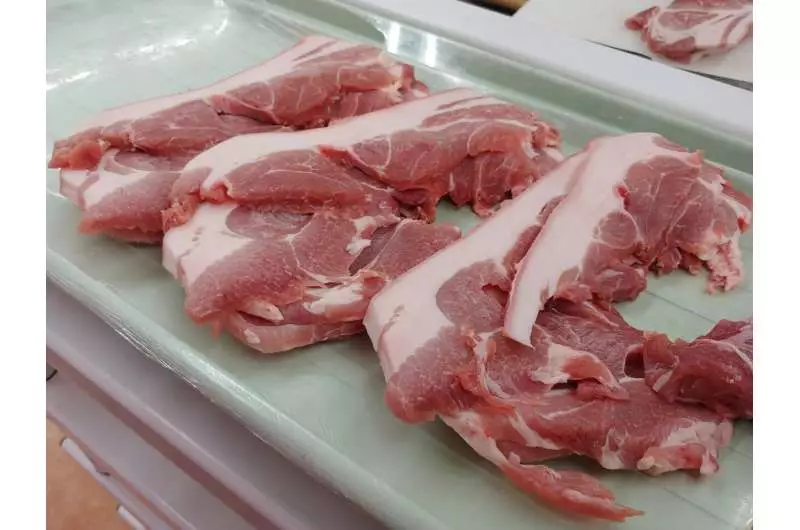
The Spanish pork industry has raised a major alarm following the detection of African Swine Fever (ASF) in wild boars, marking the country's first outbreak since 1994. As the world's third-largest producer of pork and its derivatives, Spain's situation is causing significant jitters in global meat markets, with immediate trade repercussions already being felt.
Health Impact and Current Situation
While the disease poses no threat to human health, it is highly contagious and lethal for pigs and wild boars. The initial discovery involved two cases found in dead boars outside Barcelona last week. By Tuesday, Spanish authorities confirmed an additional seven cases within the same perimeter.
Miguel Angel Higuera, director of Spain's National Association of Pork Producers (Anprogapor), stated the sector is "very concerned by the situation" and that protecting domestic pigs is the primary objective. However, initial testing has provided some relief. A weekend analysis of farms within a 20-kilometre radius of the outbreak showed "100 percent negative samples" for the virus.
"The direct health impact in farms is none, there is no African swine fever in domestic pigs in Spain," Higuera stressed, indicating the outbreak is currently confined to the wild boar population.
Immediate Trade Disruptions and Economic Fallout
The economic consequences have been swift and severe. Spain, which exports nearly three million tonnes of pork products annually to over 100 countries, is facing immediate trade barriers. Agriculture Minister Luis Planas revealed that a third of these importing nations have already halted Spanish pork imports as a precautionary safety measure.
A critical development is the stance of China, the world's largest pork consumer and Spain's top export market. Chinese authorities are currently accepting imports, but only if the pork does not originate from the affected Barcelona region. This regionalised restriction is a key focus for the industry.
Higuera explained that his association is working with the agriculture ministry to see if similar regionalised trade restrictions can be implemented with other partner countries to minimise the overall economic damage.
The road to recovery will be long. To regain the crucial disease-free status required for unrestricted trade, at least 12 months must pass from the last confirmed case. Higuera warned that more infected boars will likely be found, delaying the start of that countdown. "The situation will drag on for a time," he concluded.
Containment Strategies and Ongoing Challenges
A comprehensive response plan, developed by the national agriculture ministry and Spain's regional governments, is now active. The protocols enforce strict measures regarding distances between pig farms, farm sizes, and mandated health checks.
"We have sent very strong and powerful messages to our members to increase further, if possible, all the biosecurity measures," Higuera stated, emphasising the effort to prevent the virus from jumping to commercial farms.
The core challenge, however, lies in controlling the disease in the wild. Higuera pointed to a Europe-wide problem: wild boar overpopulation. "There is not enough management through hunting to deal with this such high growth in the number of boars," he admitted.
For now, the industry's hope rests on the containment protocols. Hundreds of regional health officers, troops, and European Union experts are on the ground working to monitor and control the outbreak. The coming weeks will be critical in determining whether the virus can be contained within the wild population or if it will breach the defences of Spain's massive domestic pork industry.