Rising tensions in the Middle East and fears of prolonged disruption in the Strait of Hormuz are beginning to shape projections for Nigeria's transport and automotive sector. Industry stakeholders have warned of higher transport costs, rising vehicle prices, and renewed interest in Electric Vehicles (EVs).
Impact on Transportation and Logistics
Experts who spoke with The Guardian about the likely impact of the crisis said Nigeria could see increased pressure on transportation, logistics, and household spending if the conflict persists through the second quarter. An associate professor of marketing at Keele University, Emmanuel Mogaji, projected that rising fuel and transportation costs would accelerate the adoption of electric vehicles across sectors. According to him, organisations seeking to reduce operational costs may increasingly turn to electric mobility solutions in the coming months.
“I envisage growing interest in EVs, with people reflecting on the increasing cost of transportation and seeking alternatives with EVs, not just individuals, but transport service providers and fleet managers. You will soon see schools, religious organisations and companies investing in EV fleets to manage the cost of transportation,” Mogaji added.
Vehicle Prices and Shipping Disruptions
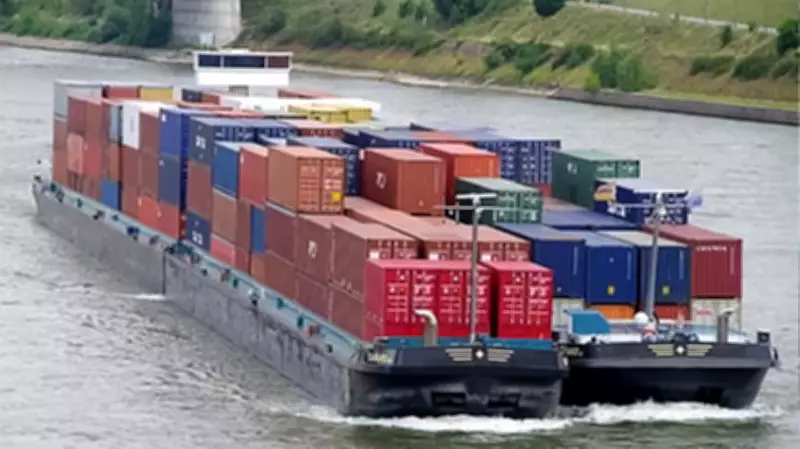
Also reacting, Deputy Managing Director of RT Briscoe and Chairman of the Automobile and Allied Services Group at the Lagos Chamber of Commerce and Industry (LCCI), Femi Eguaikhide, warned that the crisis could trigger a fresh increase in vehicle prices due to disruptions in global shipping routes. Eguaikhide added that transportation costs across the country were also likely to rise as importers and logistics operators grapple with higher shipping and fuel expenses.
“If the war continues, prices of vehicles will start to increase as stock replenishment becomes more expensive due to increased freight cost as a result of diversion away from the Strait of Hormuz,” he said.
Outlook for the Second Quarter
Similarly, a professor of transport planning and policy, Samuel Odewumi, described the outlook for the second quarter as “cautious and pressure-filled.” Odewumi, who is now the acting Vice-Chancellor of the University of Uyo, said continued instability in the Middle East would sustain upward pressure on transport fares, aviation costs, and food prices.
“My projection for Q2 is cautious and pressure-filled. If the Middle East crisis continues, transport fares, haulage rates, food prices and aviation costs will remain high,” he said. He noted that the International Monetary Fund (IMF) had already warned that a prolonged Middle East conflict could weaken global economic growth and worsen inflation through oil price shocks.
Call for Government Intervention
Odewumi urged governments at all levels to introduce measures to cushion the impact on citizens, particularly workers already struggling with rising living costs. The renewed concerns come amid growing uncertainty in global energy markets, with analysts warning that any prolonged disruption to crude oil supply routes could significantly affect fuel-dependent economies such as Nigeria, where transportation costs remain a major driver of inflation.