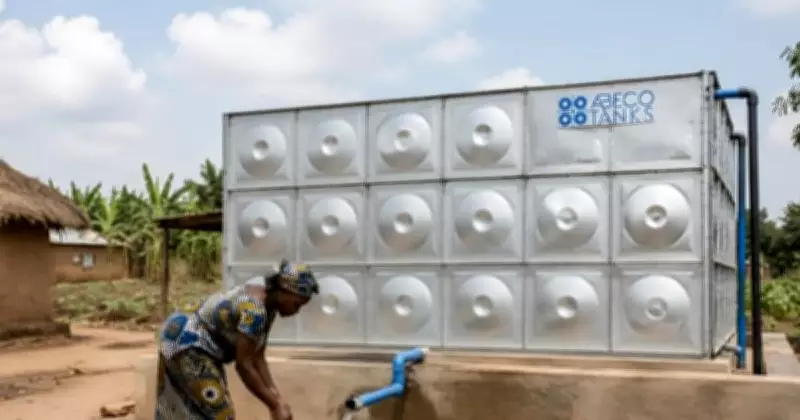
Across Nigeria, access to clean, reliable water remains one of the most pressing infrastructure challenges. Rapid urbanization is straining aging systems, as expanding cities place growing pressure on water networks, while rural communities often lack formal supply connections. Increasing climate variability, driven by climate change, adds further pressure to fragile systems where water can become scarce within weeks.
A practical solution has emerged: high-quality steel water tanks, such as those supplied by Abeco Tanks. These tanks address the challenge not through massive dams or complex treatment plants alone, but through a more accessible approach.
Why Storage Is the Missing Link
Water supply discussions often focus on sourcing and distribution, but storage is where true autonomy begins. Without adequate storage, even reliable supply systems falter under pressure. Steel water tanks stabilize water access by capturing surplus during periods of availability and bridging gaps during shortages, creating a consistent buffer.
In regions with uneven infrastructure rollout, a well-placed tank can serve a household, a farm, or an entire community, providing access where pipelines have yet to reach.
Built for Nigeria's Conditions
Nigeria's environment is demanding. Seasonal changes place constant stress on infrastructure, especially on materials that degrade quickly under exposure. High-quality steel tanks excel in these conditions. Unlike plastic alternatives that can warp or crack over time, steel tanks are designed for durability. Galvanized or coated to resist corrosion, they withstand both intense sun and heavy rainfall. Their structural strength allows for larger capacities, meaning fewer installations can serve more people. When communities invest in storage, they need confidence that it will last for years, not just a season.
From Farms to Fast-Growing Cities
The impact of steel water storage tanks is felt across multiple sectors. On farms, they support irrigation, enabling farmers to store water during rainy months and extend growing cycles into drier seasons. This stabilizes yields and strengthens food security. In urban areas, where water interruptions are common, tanks provide households and businesses with a crucial safety net. Homes, schools, and commercial sites increasingly turn to steel storage solutions to maintain continuity and reduce dependence on inconsistent municipal supply.
Industrial sectors also recognize their value. Construction projects and processing facilities rely on steady water access, and steel tanks deliver that consistency while reducing operational risk.
A Scalable Path Forward
Steel water tanks can be deployed quickly, expanded over time, and adapted to different needs. This flexibility allows governments and private users to respond to demand without waiting for large-scale infrastructure projects. While the upfront cost may be higher than some alternatives, reduced maintenance and extended usability create long-term value.
More Than Infrastructure: A Change in Survival
Nigeria's water challenge is not only about supply but also about managing variability and giving communities greater control over resources. High-quality steel water tanks, including solutions from Abeco Tanks, offer a practical approach that bridges gaps and builds autonomy from the ground up. Though they may not carry the scale of national projects, their impact is tangible and immediate.
Sometimes, transformation begins with something simple, well-built, and placed exactly where it is needed most.