
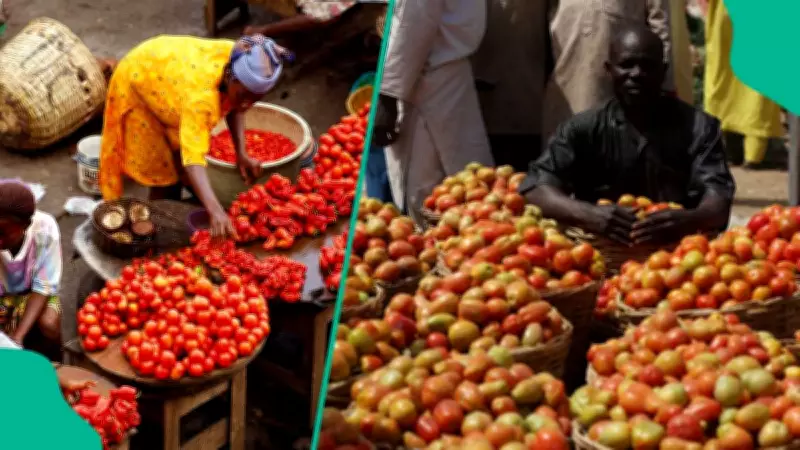
Post-Ramadan Tomato Prices Surge in Nigeria as Northern Harvest Season Concludes
The National Tomato Growers, Processors, and Marketers Association of Nigeria (NATPAN) has issued a warning about impending increases in tomato prices across the country following the conclusion of the Ramadan period. This projection comes as the primary harvest season in northern Nigeria has officially ended, leading to reduced supply and higher market costs.
Harvest Season Conclusion Triggers Price Increases
According to Rabiu Zuntu, the Kaduna State chairman of NATPAN, the tomato harvest season has now concluded in northern Nigeria, signaling the beginning of a period of rising prices that is expected to persist for several months. During a recent press briefing in Lagos, Zuntu explained that the earlier surplus of tomatoes has significantly diminished, creating a gradual reduction in overall supply.
"Though we still have the produce in stock, it is gradually dwindling, and we no longer have a glut as we had earlier in the year," Zuntu stated. "Although farmers in the Kano and Kaduna axis are still harvesting tomatoes, we no longer have gluts. The volume of tomatoes has gone down. The glut season is over too."
Zuntu noted that tomato and vegetable prices remained relatively stable during Ramadan due to the abundant harvest available at that time. However, with the current reduction in supply, he anticipates a steady upward trend in tomato prices throughout the coming weeks and months.
Current Market Prices and Regional Variations
The current market situation reveals significant price increases already taking effect. A 50kg basket of tomatoes now sells for approximately N20,000 in northern markets, representing a substantial jump from the N5,000 to N8,000 price range observed just two weeks ago. When these tomatoes are transported to other regions such as Lagos, the price could escalate to between N30,000 and N40,000 per basket.
Zuntu clarified that while rising fuel costs will not directly affect tomato prices in northern production areas, transportation expenses will significantly impact final prices in other parts of the country. This transportation factor contributes to the substantial price differential between northern markets and southern consumption centers.
Wet-Season Farming Preparations Underway
In response to the anticipated price increases, farmers in northern Nigeria have already begun preparations for wet-season planting to help stabilize supply and mitigate further cost escalation. Rainfall patterns appear to be on schedule, with farmers anticipating the commencement of wet-season farming activities around April.
Agricultural preparations currently underway include land clearing and planting preparations designed to ensure continued tomato supply throughout the coming months. These efforts represent a proactive approach to managing the seasonal fluctuations that characterize Nigeria's agricultural calendar.
Government Agricultural Initiatives
Meanwhile, the federal government has introduced new agricultural developments that may impact future tomato production. The government recently unveiled two new tomato cultivars named HORTITOM4 and HORTITOM5, along with two yellow aromatic pepper cultivars designated HORTIPEP1 and HORTIPEP2.
These four high-yield varieties resulted from research conducted by the National Horticultural Institute (NIHORT) and received approval from the National Committee on Naming, Registration and Release of Crop Varieties, Livestock/Fisheries on April 15, 2025. According to NIHORT, these new seedlings offer several advantages:
- Adaptability to various farming environments
- Shorter maturity periods
- Potential to increase crop yield by up to 200%
These agricultural innovations represent potential long-term solutions to the seasonal price fluctuations currently affecting the tomato market. However, their impact on immediate supply and pricing remains limited as farmers continue to work with existing crop varieties during the current planting cycle.
The combination of seasonal factors, transportation costs, and market dynamics creates a complex pricing environment for tomatoes in Nigeria. Consumers can expect continued price monitoring as the agricultural sector transitions between harvest seasons and works to maintain stable food supplies throughout the country.




