
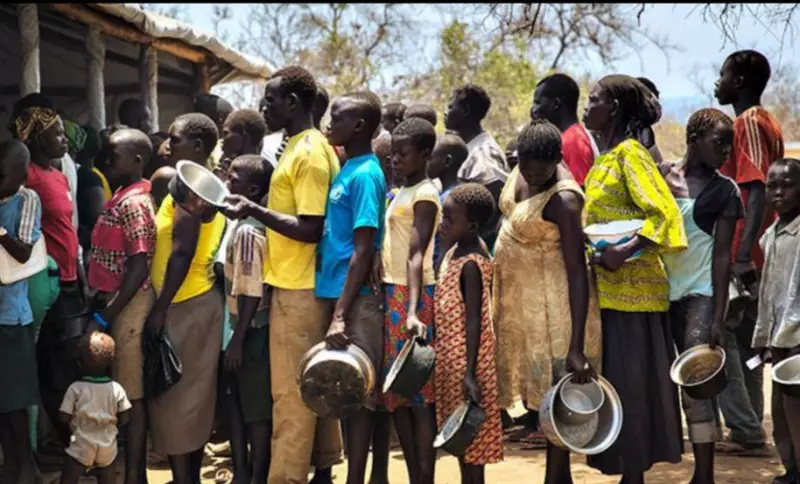
Two United Nations food agencies have issued a stark warning that millions of people globally could face starvation, with Nigeria and Mali identified among 16 critical hunger hotspots. The report reveals that severe funding shortages are exacerbating already desperate conditions worldwide.
Conflict Drives Worsening Food Insecurity
A joint assessment from the Food and Agriculture Organisation (FAO) and the World Food Programme (WFP) identifies conflict and violence as the main causes of acute food insecurity in most affected countries. The Rome-based agencies highlighted Haiti, Mali, Palestine, South Sudan, Sudan, and Yemen as the most severely impacted regions.
These areas face an immediate threat of catastrophic hunger levels, according to the report. Nigeria was categorized as a zone of very high concern, sharing this alarming classification with Afghanistan, the Democratic Republic of the Congo, Myanmar, Somalia, and Syria.
Funding Crisis Threatens Millions
The humanitarian situation is being severely undermined by critical funding gaps. The report emphasizes that relief funding has fallen dangerously short of requirements. Out of the $29 billion needed to properly assist at-risk populations, only $10.5 billion has been received.
WFP Executive Director Cindy McCain delivered a grave assessment, stating: We are on the brink of a completely preventable hunger catastrophe that threatens widespread starvation in multiple countries. She warned that failure to take immediate action will likely lead to increased instability, migration, and conflict.
Essential Programs Being Cut
Due to these severe financial constraints, the World Food Programme has already been compelled to reduce assistance for refugees and displaced people. The agency has also suspended crucial school feeding programs in several countries, removing a vital safety net for vulnerable children.
The Food and Agriculture Organisation highlighted that efforts to protect agricultural livelihoods are now under threat. These initiatives are essential for stabilizing food production and preventing recurring food crises. The FAO stressed that urgent funding is required for seeds and livestock health services before planting seasons commence or new shocks emerge.
Other countries identified as hunger hotspots include Burkina Faso, Chad, Kenya, and the situation affecting Rohingya refugees in Bangladesh. The comprehensive report paints a troubling picture of global food security deteriorating due to combined factors of conflict, underfunding, and systemic challenges.




