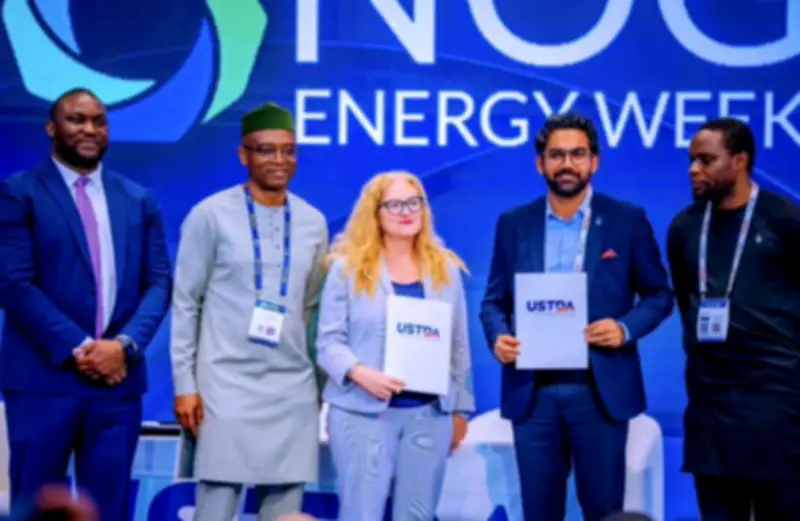
The United States has ramped up its support for Nigeria's energy and digital infrastructure sectors, marking a significant step in bilateral cooperation. Through a combination of investments, technical assistance, and public-private partnerships, the US aims to bolster Nigeria's economic growth and improve access to reliable power and digital connectivity.
Energy Sector Investments
The US government, through agencies like the US Trade and Development Agency (USTDA) and the US International Development Finance Corporation (DFC), has committed substantial resources to Nigeria's energy sector. These investments target both conventional and renewable energy projects, including natural gas, solar, and hydroelectric power. For instance, the USTDA provided a grant for a feasibility study on a 100-megawatt solar power plant in northern Nigeria, which is expected to enhance grid stability and reduce carbon emissions.
According to a statement from the US Embassy in Abuja, the DFC has approved over $1 billion in financing for energy projects in Nigeria since 2020. These projects include the development of gas-to-power infrastructure and the expansion of the national grid. The US government also supports Nigeria's power sector reform efforts, providing technical assistance to improve the efficiency and financial viability of power distribution companies.
Digital Infrastructure Expansion
In the digital realm, the US is partnering with Nigeria to expand broadband access and promote digital literacy. The US Agency for International Development (USAID) is implementing a $10 million project to connect underserved communities to the internet. This initiative, known as the Digital Connectivity and Cybersecurity Partnership, aims to deploy fiber-optic cables and establish community Wi-Fi hotspots in rural areas.
Additionally, US tech companies like Google, Microsoft, and Facebook have invested in Nigeria's digital ecosystem. Google's $1 billion investment in Africa includes funding for digital skills training and support for Nigerian startups. Microsoft has launched a program to train 5 million Nigerians in digital skills by 2025, while Facebook is expanding its connectivity infrastructure through partnerships with local internet service providers.
Economic and Social Impact
The US-backed projects are expected to create thousands of jobs and stimulate economic growth. In the energy sector, improved power supply will reduce production costs for businesses and enhance the quality of life for households. The digital initiatives will bridge the digital divide, enabling more Nigerians to access online education, healthcare, and financial services.
“These investments are a testament to the strong partnership between the United States and Nigeria,” said a US Embassy official. “We are committed to supporting Nigeria’s development goals and fostering a more prosperous future for its people.”
Challenges and Future Prospects
Despite the progress, challenges remain, including regulatory hurdles, security concerns, and the need for sustained investment. However, the US has pledged to continue working with the Nigerian government and private sector to address these issues. The partnership is expected to deepen further as both countries explore new opportunities in renewable energy and digital innovation.