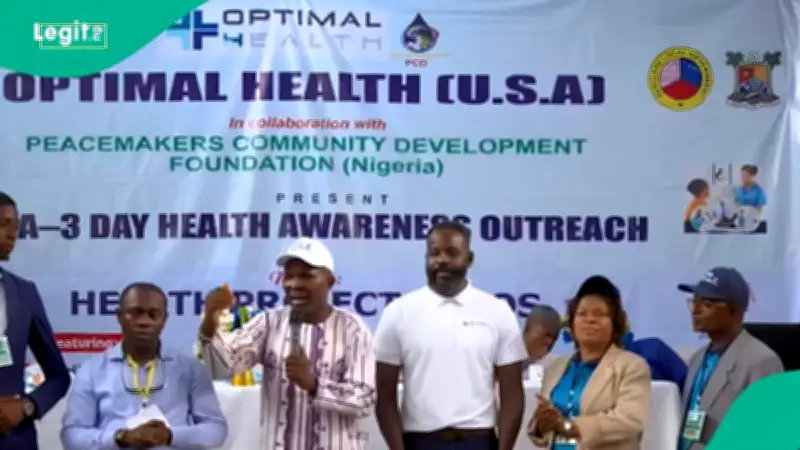
A United States-based health organisation partnered with a Nigerian foundation to run a three-day health awareness drive in Surulere, Lagos state, offering free screenings and community education to residents with limited access to routine medical care. Optimal Health USA and Peacemakers Community Development Foundation carried out the Health Awareness Education Initiative (HAEI) in October 2025, targeting communicable and non-communicable diseases including malaria, hypertension, diabetes and pancreas-related conditions.
Project Objectives and Activities
Organisers set a target of reaching at least 500 residents through free blood pressure and blood sugar checks, while also working to raise awareness of disease risk factors by 50% across participating communities. The project also aimed to build the capacity of local health workers on early detection of non-communicable diseases.
Medical teams were deployed to run screening camps across the local government area, while interactive workshops covered nutrition, sanitation, hand hygiene and physical exercise. Radio jingles in English were aired to spread safety messages and malaria prevention tips to a wider audience. Advocacy visits were also made to churches, mosques, hospitals and clinics to encourage greater use of primary health facilities.
Results Recorded Across Surulere
By the end of the three-day programme, more than 5,000 people had been reached through direct community engagement and media outreach. Over 600 residents were screened, with those found to have high blood pressure or elevated blood sugar referred for treatment and given medications.
Twenty-two primary healthcare workers took part in training sessions focused on diabetes care and referral pathways. Organisers also noted a reported rise in handwashing habits and physical exercise in the communities where the project was active. The initiative was prepared by Shola Adedeji of the Peacemakers Community Development Foundation on behalf of Optimal Health USA.
Challenges and the Path Forward
The project did not run without difficulty. Health literacy gaps meant that misconceptions about disease slowed early uptake of information in some areas. Poverty also made it hard for residents to sustain preventive diets or return for follow-up screenings even after learning about their health status. Security concerns in parts of the area limited participation.
Organisers recommended that future efforts be integrated into existing primary healthcare systems rather than run as stand-alone campaigns. They also called for closer collaboration with the Nigeria Centre for Disease Control (NCDC) and urged community and religious leaders to take ownership of ongoing health messaging. Continued philanthropic support was identified as essential to sustaining the gains recorded during the initiative.
Meanwhile, the Peacemakers Community Development Foundation appealed to government agencies, parastatals, corporate organisations, and well-meaning Nigerians to support its work by donating medical equipment.