
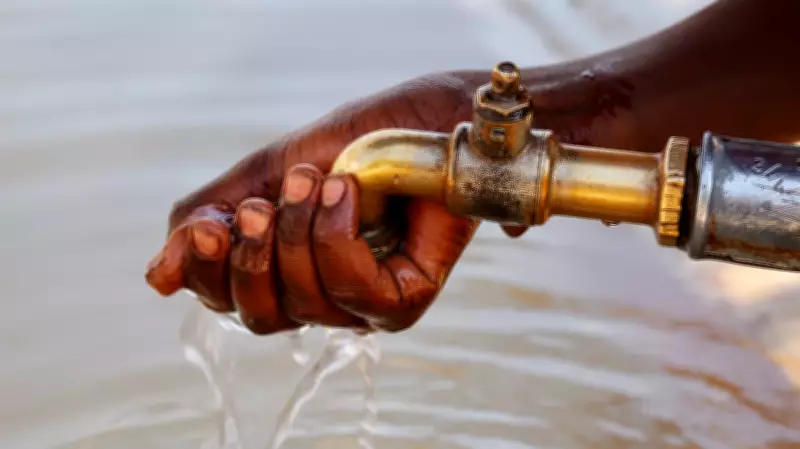
Water Insecurity Ranks as Top Policy Priority in Africa Amid Service Gaps
Access to water has been identified as one of the foremost policy priorities for citizens across Africa, according to the latest Afrobarometer surveys conducted in 38 African countries. The study, released recently, underscores that a majority of Africans express dissatisfaction with their governments' performance in delivering safe drinking water and adequate sanitation services.
Persistent Inequalities in Water Access
The report highlights that challenges in accessing water are particularly severe among rural populations and economically disadvantaged groups. These communities face ongoing inequalities in the availability of clean water and sanitation, with rural residents more likely to experience water shortages. They often rely on alternative sources such as boreholes and tubewells, while access to piped water remains largely concentrated in urban areas and among wealthier households.
Key findings from the Afrobarometer survey reveal that, on average across the 38 countries, water supply ranks third among the most critical problems Africans want their governments to address. It trails behind health and unemployment and is tied with education, the increasing cost of living, and infrastructure or roads. This ranking underscores the urgent need for improved water management and service delivery across the continent.
Variations in Water Security Concerns
Concern about water security varies significantly from country to country. For instance, more than half (57 percent) of Guineans rank water among their nation's most important problems, whereas virtually no Seychellois share this perception. Water outranks all other issues in countries such as Guinea, Chad, Benin, and Mozambique, indicating a critical need for targeted interventions in these regions.
The report also notes that the poorest respondents are least likely to live in areas served by a piped water system, with only 40 percent having access compared to 77 percent of the best-off respondents. Conversely, they are most likely to depend on nearby boreholes or tubewells, with 51 percent relying on these sources versus 28 percent of respondents experiencing no lived poverty.
Intersection of Geography and Poverty
The Afrobarometer findings highlight the intersection of geography, poverty, and service-delivery outcomes. More positive assessments of water access are reported among urban and economically secure respondents, further emphasizing the disparities faced by rural and impoverished communities. This disparity calls for enhanced policy focus and resource allocation to bridge the gap in water security across Africa.
In summary, the Afrobarometer report sheds light on the pressing issue of water insecurity in Africa, urging governments to prioritize water supply and sanitation in their policy agendas to address the needs of all citizens, especially the most vulnerable.




