
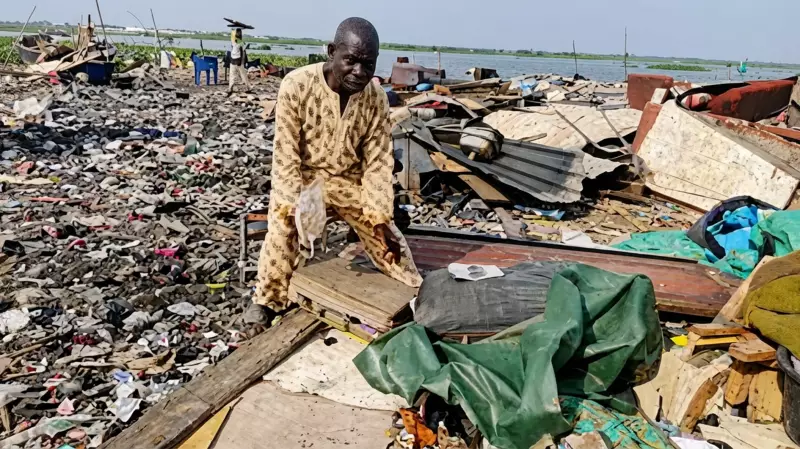
Weak Policies and Government Neglect Drive Homelessness Crisis in Nigeria
Across urban centers in Nigeria, thousands of residents face displacement as a result of government-led demolition exercises. Families are losing their homes, livelihoods, and personal belongings, often with little to no warning or compensation. Despite existing laws that mandate notice and resettlement plans for displaced persons, weak enforcement has left many struggling to meet basic needs such as food, water, and shelter. This situation highlights the human cost of these demolitions and the government's failure to support affected citizens adequately.
Widespread Displacement in Major Cities
In Lagos, communities including Ifesowapo, Ifedapo, Ifeoluwa, Jones, Otumara Village, Oworonsoki, Ijora Badia, and various waterfront settlements have experienced a series of demolitions. These actions have displaced tens of thousands of residents over the years, reducing their homes to rubble. Similarly, in Ibadan and other urban areas, demolitions linked to road expansion, flood mitigation, or environmental enforcement have left residents stranded, often with minimal assistance from the authorities responsible.
In Abuja, a state-sanctioned demolition exercise displaced over 10,000 shantytown residents, destroying countless livelihoods. Affected communities like Ruga I, II, and Yangyada, which had offered refuge for decades, now lie desolate with only debris and scorched earth remaining. Nyesom Wike, the FCT Minister, launched Operation Sweep in November 2024 to demolish settlements deemed security threats, continuing a pattern seen between 2003 and 2007 when over 800,000 residents were forcibly evicted.
Human Stories of Suffering and Loss
The personal toll of these demolitions is profound. A 74-year-old fisherman, Augustus Orofin, was forced to sleep in the open after his house in Oworosoki, Lagos, was demolished. He had lived there for decades and had processed documents with the National Inland Waterways Authority, making the demolition a shock. No prior notice or compensation was provided, leaving him stranded in old age.
Another displaced resident, Godwin Otozi, has been repeatedly uprooted by successive demolitions, moving from Ilaje Otumara to Jones Street, only to lose his shelter again. He paid N650,000 for an apartment where he lived with his wife and five children, but it was demolished within three months. His children's education has been disrupted, and access to basic necessities like food and water has become irregular.
A mother of two, Peace Bright, described how her family now lives in conditions she never imagined, with children frequently falling ill due to exposure to cold and mosquitoes. The mental burden of lacking proper shelter weighs heavily, and the destruction of livelihoods tied to the community has exacerbated their suffering.
Government Response and Legal Failures
In response to concerns, the Lagos State Commissioner for Information and Strategy, Gbenga Omotoso, stated that the government cannot provide compensation or resettlement for what he described as illegal structures. He argued that compensating owners would encourage illegality and that enforcement actions are necessary to prevent disorder, aligning with global urban planning standards.
However, legal experts and urban planners highlight significant failures. Megan Chapman of the Justice and Empowerment Initiatives noted that recent demolitions in communities like Otumara and Precious Seed violated existing court orders requiring engagement and resettlement. Legal practitioner Olaleye Fayese emphasized that ignoring court orders erodes public confidence in justice and violates constitutional property rights.
From an urban planning perspective, Emmanuel Ikechukwu of the Nigerian Institute of Town Planners explained that demolitions without alternative accommodation constitute forced eviction and violate human rights, particularly the right to adequate housing. He warned that such practices entrench poverty and destroy social networks, turning development projects into instruments of exclusion.
Broader Implications and Calls for Action
Data from the World Population Review shows that Nigeria has the world's largest number of homeless people, with 24 million lacking homes and many more without access to basic services like water and electricity. Amnesty International has documented millions forcibly evicted since 2000, often without consultation, compensation, or resettlement.
Affected communities and advocacy groups are calling for humane alternatives that prioritize dialogue, compensation, and resettlement. They urge authorities to adopt a rights-based framework that ensures adequate notice, fair compensation, and livelihood restoration to prevent state-produced homelessness and uphold human dignity.




