Nigeria is projected to experience the largest increase in food insecurity globally this year, with 4.1 million more people facing acute hunger between June and August 2026, according to the Global Report on Food Crises. The report highlights that even before the US-Iran war, West Africa and the Sahel, particularly Nigeria, Mali, Niger, and Burkina Faso, remain under heavy pressure from conflict and persistent inflation.
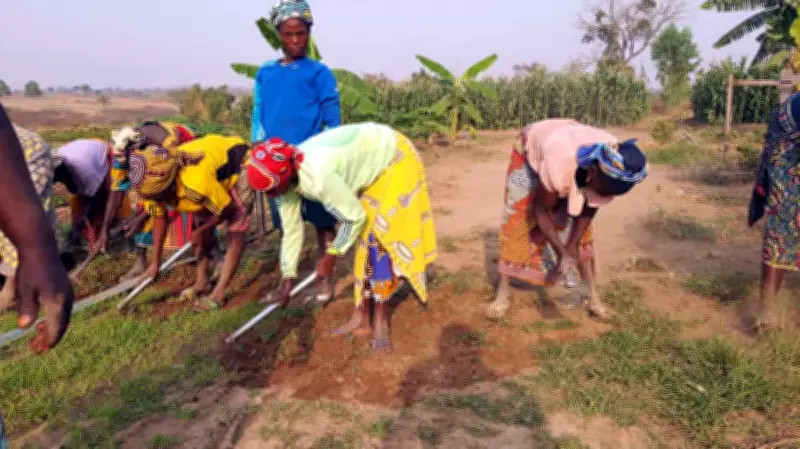
While national conversations focus on failures—conflict, inflation, insecurity, governance, and supply chains—a quieter story unfolds: how women farmers are responding to the crisis with available tools, producing real outcomes in income, market food, and household stability. Women play essential roles across agrifood systems, but their contributions often go unrecognized due to persistent inequalities in resources, opportunities, and decision-making.
As the lean season begins, industry players emphasize the need to spotlight these women and their businesses. In Ekiti State, a young fish trader who lost half her stock to spoilage now uses solar-powered freezing, earns double last year's income. In Enugu State, a vegetable farmer uses a neighbor's cold room to preserve tomatoes. In Kaduna State, a woman runs an electric mill serving three villages, earning a steady income for the first time. These women are not waiting for the crisis to end; they are acting business by business.
The United Nations declared 2026 the International Year of the Woman Farmer (IYWF 2026) to spotlight women's roles in agrifood systems and promote closing gender gaps. Michael George, an agribusiness expert, says this story matters for three reasons: it's about agency, touches major issues like food security and youth employment, and is happening now in identifiable states. He notes that women's resilience is crucial during the lean season.
IYWF 2026 aims to raise awareness about challenges women face, including land tenure, financial constraints, and limited access to services. The Food and Agriculture Organisation (FAO) states that empowered women are key to transforming agrifood systems. Closing gender gaps enhances well-being, boosts productivity, strengthens climate resilience, and drives progress toward Sustainable Development Goals.
FAO's Tacko Ndiaye and Mariola Acosta note that women account for 41% of the agrifood workforce globally, especially in sub-Saharan Africa and South Asia. However, they face structural barriers: weak legal protection, limited credit, discriminatory social norms, and heavy unpaid care work. Excluding women from policies and investments undermines agricultural productivity and food security. Without their insights, agrifood systems fail to reach full potential.
Women advocates stress that securing land rights strengthens agrifood systems and rural development. Women remain behind in land access and ownership, facing discrimination. Enhancing land rights boosts empowerment, investment, and resilience while reducing gender-based violence and improving bargaining power.