Nigeria's Aviation Sector Grapples with 300% Fuel Price Surge
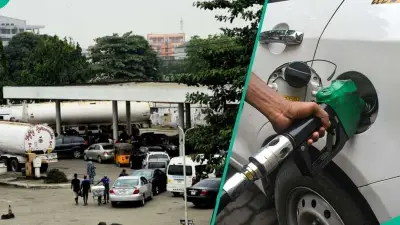
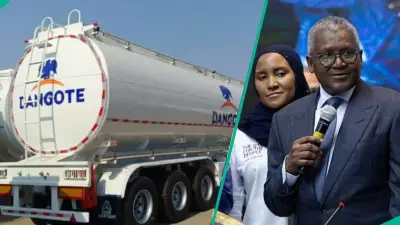
Nigeria's aviation industry is confronting a severe operational crisis following a dramatic 300% increase in Jet A1 fuel prices. The cost per liter has skyrocketed from ₦900 to ₦3,300 within just a few weeks, placing immense financial strain on airline operators and threatening the affordability of air travel for millions of Nigerians.
Government Appeals for Restraint Amid Crisis
The Minister of Aviation and Aerospace Development, Festus Keyamo, has issued a formal appeal to the Airline Operators of Nigeria, urging them to avoid immediate fare increases or flight suspensions. In a letter dated April 16, 2026, Keyamo acknowledged the operational challenges facing airlines but emphasized the potential negative impact on passengers and the national economy.
"I urge your members to exercise restraint with respect to any proposed increase in airfares at this time," Keyamo stated. "Any immediate upward adjustment in ticket prices would impose significant hardship on the travelling public."
The minister also appealed against any planned suspension of flight operations, warning that such actions would have far-reaching adverse implications for Nigeria's economy. To address the escalating situation, a high-level stakeholders' meeting has been scheduled for April 22 in Abuja, where government officials and industry players will seek sustainable solutions to the fuel crisis.
Road Travel Emerges as Practical Alternative
As air travel becomes increasingly expensive and potentially less available, many Nigerians are turning to road travel across West Africa as a viable alternative. The Economic Community of West African States (ECOWAS) region offers relatively easier movement for Nigerian travelers, with several neighboring countries accessible by road from major cities like Lagos.
Popular Road Travel Destinations
Ghana (Accra)
Ghana remains one of the most accessible and popular road destinations for Nigerian travelers. Daily luxury buses operate on the Lagos-Accra route, covering approximately 450 to 500 kilometers in 9 to 12 hours. Bus fares typically range from ₦35,000 to ₦70,000 depending on seat class and operator, making it an affordable option compared to current airfare projections.
Ivory Coast (Abidjan)
Abidjan, known as the "Paris of West Africa" for its modern skyline and cosmopolitan atmosphere, is reachable via dedicated motor parks in Lagos. The Lagos-Abidjan journey spans about 985 kilometers, taking approximately 15 to 24 hours by bus with fares similar to the Ghana route.
Liberia (Monrovia) and Sierra Leone (Freetown)
For more adventurous travelers, destinations like Monrovia and Freetown are accessible through connected road transport networks. The Lagos-Monrovia route covers approximately 1,944 kilometers with estimated travel times around 40 hours, while the Lagos-Freetown journey spans about 2,374 kilometers. These longer trips require careful planning and budgeting but remain viable alternatives to air travel.
Guinea (Conakry) and Senegal (Dakar)
Further destinations like Conakry and Dakar represent more challenging but achievable road journeys. The Lagos-Conakry route covers approximately 2,476 kilometers with estimated travel times of 39 hours by direct drive, while the Lagos-Dakar journey spans about 3,089 kilometers. These extended trips demonstrate the extensive road network connecting West African nations.
Practical Considerations for Road Travel
While road travel offers affordability and availability during the aviation crisis, travelers must consider several practical factors:
- Extended travel times ranging from hours to multiple days
- Potential border delays and documentation requirements
- Varying transport conditions and comfort levels
- Necessity for proper trip planning and budgeting
Despite these challenges, road travel provides Nigerian travelers with continued mobility options during the current aviation sector turbulence. The revival of cross-border road journeys highlights the resilience of West African transportation networks and the adaptability of Nigerian travelers facing economic pressures.
As the government and airline operators work toward resolving the fuel crisis, road travel across West Africa stands ready to bridge the transportation gap, ensuring that Nigerians can maintain their business, family, and leisure connections throughout the region.