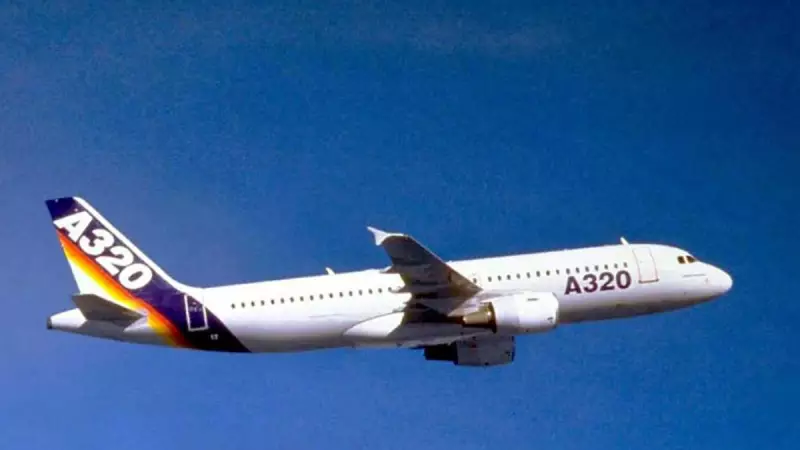
Fears of prolonged travel disruption across the globe subsided over the weekend after aircraft manufacturer Airbus moved quickly to deploy a necessary software fix for its popular A320 family of jets. The urgent upgrade, announced late Friday, targeted a potential issue that could have grounded a significant portion of the world's short-haul fleet.
The Source of the Concern
The alarm was raised after Airbus evaluated a technical malfunction that occurred on a JetBlue flight in October. The company identified that intense solar radiation could corrupt critical flight control data, posing a potential risk. In response, Airbus instructed its clients to take "immediate precautionary action" on Friday, November 28, 2025, stating that up to 6,000 operational A320 aircraft might require the update before they could fly again.
A Swift and Coordinated Response
Initial concerns of days of chaos were largely averted due to a rapid and massive effort. French Transport Minister Philippe Tabarot reported that the defect was corrected on more than 5,000 aircraft by Saturday morning. He also provided reassuring news that the number of planes needing a more complex, weeks-long update was far lower than initially feared—closer to a hundred aircraft instead of a thousand.
Major European airlines reported minimal impact. German carrier Lufthansa completed most updates overnight, expecting no cancellations. Budget airline EasyJet confirmed it had finished the work on all its A320s without cancelling any flights. Air France managed to transport all its customers on Saturday, with the exception of some flights in its Caribbean network.
Global Impact and the Safety Imperative
While Europe saw a smooth resolution, the situation was more challenging in other regions. In Latin America, Colombian airline Avianca warned of significant disruptions over the next ten days, with 70% of its fleet impacted. In Asia, Philippine Airlines and Cebu Pacific grounded at least 40 domestic flights. The incident that triggered the alert involved a JetBlue A320 that suddenly nosedived during a flight from Cancun to Newark on October 30, forcing an emergency landing in Tampa, Florida. US media reported that some passengers were injured.
The European Union Aviation Safety Agency (EASA) acknowledged that the measures might cause short-term disruption but emphasized that "safety is paramount." The A320, in production since 1988, is the world's best-selling aeroplane, with 12,257 units sold by the end of September, underscoring the global importance of a swift and effective resolution to this software issue.