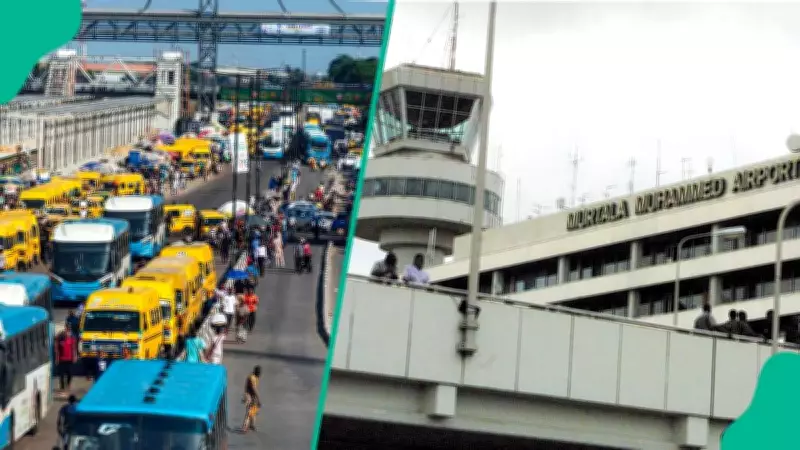
Cashless Toll System Implementation Triggers Major Airport Gridlock
The Federal Airports Authority of Nigeria's (FAAN) "Go Cashless" policy enforcement has resulted in severe traffic congestion around major airport access roads in Lagos and Abuja, causing significant disruptions for air travelers and motorists. The policy, which officially took effect on Sunday, March 1, 2026, eliminates cash transactions at all airport toll gates, requiring motorists to use FAAN payment cards or debit cards for toll payments.
Passenger Nightmare Unfolds at Lagos Airport
Air travelers and motorists experienced heavy traffic around the Lagos airport corridor on Monday following the enforcement of the cashless toll payment system. The gridlock stretched across major access roads leading to the airport, reportedly causing some passengers to miss their flights entirely. Businesses in the area recorded reduced patronage due to the slow movement of vehicles, creating a ripple effect of economic disruption.
A motorist who spoke with Daily Sun revealed he spent approximately two and a half hours trapped in traffic. According to his account, the congestion began near a fuel station along the airport road and persisted up to the toll gate area. Some desperate passengers abandoned their vehicles and resorted to commercial motorcycles to avoid missing their flights, despite existing restrictions on such operations within the airport vicinity.
The motorist expressed concerns about the authorities' preparedness for the policy implementation, suggesting that more toll gates and improved infrastructure were necessary to support a fully cashless system effectively. His concerns echoed the frustrations of many travelers caught in the unexpected gridlock.
Abuja Airport Experiences Similar Chaos
A similar gridlock situation unfolded at the Abuja airport, where travelers and motorists faced comparable frustrations. Passengers took to social media platforms to express their dismay at the traffic situation. An X user, @alphanumerex, warned fellow travelers: "If you're travelling through Abuja airport today better leave three hours before your flight. There's mad traffic at the toll gate."
The social media outcry highlighted the widespread impact of the policy rollout, with many passengers reporting similar experiences of prolonged delays and flight disruptions. The parallel situations in both major Nigerian airports underscored the nationwide challenges of implementing the cashless toll system.
FAAN Responds to Mounting Criticism
Responding to the development, FAAN's Director of Public Affairs, Henry Agbebire, attributed the disruption largely to motorists who waited until the last minute to obtain the required payment cards. He explained that the policy aligned with a federal government directive mandating all revenue-generating agencies to discontinue cash transactions.
According to Agbebire, FAAN introduced the payment card approximately six months ago and conducted public sensitization campaigns, particularly in Lagos and Abuja. He acknowledged the severity of the traffic congestion but emphasized that officials were deployed to manage the situation as it unfolded.
To address the immediate challenges, Agbebire disclosed that FAAN established two on-the-spot registration centers near the toll area to enable motorists to obtain and activate their cards promptly. Most vehicles were reportedly diverted to these points to ease pressure at the main toll gates.
He added that additional staff would be deployed to the toll area to assist motorists with registration and activation processes, while reiterating that the cashless system would remain in place despite the initial implementation challenges. FAAN also issued a public statement apologizing for the inconvenience caused to road users and air travelers.
Background and Related Developments
The cashless policy implementation comes as FAAN continues to navigate various operational changes. Legit.ng previously reported that FAAN faced pressure to reduce its proposed increase in cargo port charges at the Murtala Muhammed International Airport (MMIA) in Lagos from N20 to N15 per kilogram.
The agency had initially proposed a rise from N7 to N20 per kilogram, while air cargo fees were to increase from N5 to N15 per kilogram. However, the planned increases faced resistance from cargo agents, who warned that higher charges could negatively impact the cargo business and have wider implications for trade and related sectors across Nigeria.
The simultaneous challenges of implementing new payment systems and adjusting fee structures highlight the complex operational environment facing Nigeria's aviation authorities as they work to modernize airport operations while minimizing disruption to travelers and businesses.