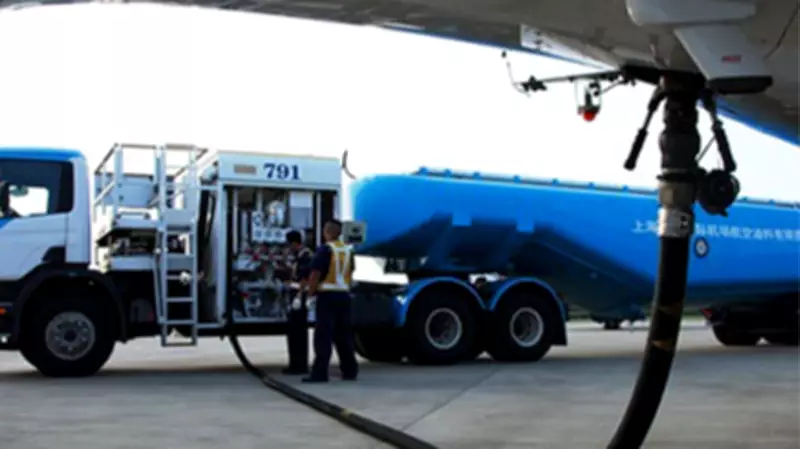
Competition Prevents Airfare Hikes Despite 184% Aviation Fuel Price Surge
In a surprising market development, airfares across Nigeria have remained stagnant despite the cost of Jet A1 aviation fuel skyrocketing by 184 per cent over the past two months. This price stability persists even as fuel expenses, which typically account for approximately 40 per cent of airline operational costs, have surged dramatically due to the ongoing crisis in the Middle East.
Fuel Price Escalation and Airfare Stability
Aviation fuel, which sold for N900 per litre in January 2026, increased to N1,121 per litre by February 26, and now commands N2,557 per litre. Despite this steep rise, domestic airfares continue to range between N106,286 and N147,000 on major routes. A confidential source from a leading indigenous airline, speaking anonymously to The Guardian, attributed this phenomenon to the "pressure of competition" among local carriers.
"It's the pressure of competition. Instead of going up, the pressure on pricing is downwards because of the number of players and the pricing they have entered the market with. It's simply competitive pressure that keeps airfares stagnant," the source explained.
Current Airfare Examples Across Airlines
A review of airline booking portals reveals consistent pricing despite escalating costs:
- Ibom Air: Lagos-Abuja flight on April 4 costs N114,600; Uyo-Abuja on same date is N114,500.
- United Nigeria Airlines: Kano-Lagos flights from April 1-7 sell for N142,500 one-way; Lagos-Port Harcourt same price.
- Aero Contractors: Lagos-Abuja on April 4 at N106,286; Asaba-Abuja at N102,179.
- Air Peace: Most expensive with Lagos-Abuja tickets for April 3 booking at N147,000; return tickets same rate.
The airline source noted that operators are maintaining fares at levels from two months ago while struggling to remain profitable, with many reviewing their positions for potential adjustments in coming weeks.
Market Dynamics and Passenger Traffic
This competitive environment is fueled by approximately 15 scheduled operators, with two additional airlines—Enugu Air and Binani Airlines—securing Air Operators' Certificates from the Nigeria Civil Aviation Authority in February and March respectively. This expansion occurs against a backdrop of declining passenger traffic, which recorded 15.6 million movements in 2024, 15.8 million in 2023, and 16.2 million in 2022.
Regional Fuel Price Variations
Data from major fuel marketers shows significant regional disparities in aviation fuel pricing:
- Sokoto airport: N2,557 per litre (most expensive)
- Kano: N2,554 per litre
- Port Harcourt and Asaba: N2,543 per litre
- Nnamdi Azikiwe International Airport, Abuja: N2,538 per litre
- Enugu airport: N2,535 per litre
- Warri airport: N2,530 per litre
- Anambra airport: N2,529 per litre
- Asaba airport: N2,528 per litre
- Lagos: N2,500 per litre (cheapest)
The industry continues to navigate these challenging economic conditions, with competition serving as the primary brake on airfare increases despite mounting operational pressures.