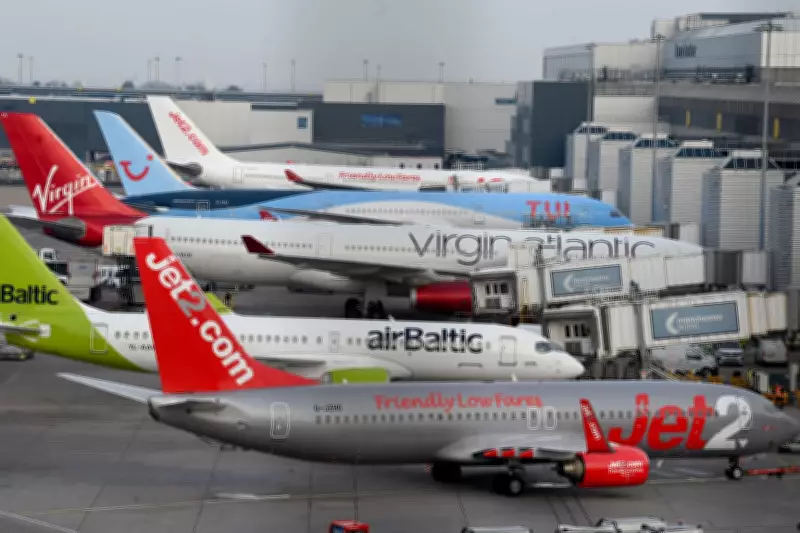
European Airports Face Imminent Jet Fuel Shortage as Iran Conflict Disrupts Supply Chains
The aviation industry across Europe is bracing for a severe operational crisis as airports could potentially run out of jet fuel within the coming weeks. This alarming situation has been triggered by the ongoing conflict in the Middle East, which has severely disrupted critical oil shipments through the strategic Strait of Hormuz.
Critical Warning from ACI Europe on Fuel Reserves
ACI Europe, the authoritative airport industry body, has issued a stark warning that fuel reserves at European airports may last less than three weeks unless normal oil shipments resume through the vital maritime passage. The organization emphasized that the current geopolitical tensions have created unprecedented supply chain vulnerabilities.
"If the passage through the Strait of Hormuz does not resume in any significant and stable way within the next three weeks, systemic jet fuel shortage is set to become a reality," declared ACI Europe in their official statement. The group further cautioned that such shortages could "severely disrupt airport operations and air connectivity" across the continent.
Early Signs of Disruption Already Emerging
Airports in Italy have already begun experiencing preliminary signs of the impending crisis. At Brindisi-Casale Airport, Jet A1 fuel was temporarily unavailable, forcing airlines to implement emergency operational adjustments. An official statement from the airport confirmed the situation, noting: "Jet A1 fuel is temporarily unavailable... Refueling is permitted only for state, emergency medical services, and medical flights."
Airlines operating through affected airports were advised to refuel at previous destinations to ensure they could complete return journeys, highlighting the growing logistical challenges facing the aviation sector.
Contradictory Reassurances Amid Growing Sector Strain
Despite the mounting concerns, some officials have attempted to reassure travellers. Antonio Maria Vasile stated: "Fuel supplies continue regularly, and there is no risk of an imminent shortage." However, this optimistic assessment contrasts sharply with the reality already affecting numerous airlines.
The wider aviation sector is undeniably feeling the strain of the developing crisis. Multiple carriers including Scandinavian Airlines and LOT Polish Airlines have begun cancelling flights, while UK carrier Skybus has suspended routes entirely due to skyrocketing fuel costs. Michael O'Leary, a prominent industry figure, echoed the concerns, warning of a "risk of supply disruptions in Europe in May and June" if the Middle East crisis continues unabated.
Economic Impact and Travel Disruption Looming
Fuel prices have already surged to approximately double their pre-war levels, creating significant financial pressure on airlines and threatening to increase ticket prices for consumers. Aviation experts predict that continued instability could lead to:
- Further widespread flight cancellations across European routes
- Substantially higher airfare prices for travellers
- Major travel disruption during the busy May half-term holiday period
- Potential ripple effects on global air connectivity
The situation represents a perfect storm for European aviation, combining geopolitical tensions, supply chain vulnerabilities, and peak travel season demands. Millions of travellers could face significant inconvenience and financial impact if the jet fuel shortage materializes as predicted by industry authorities.