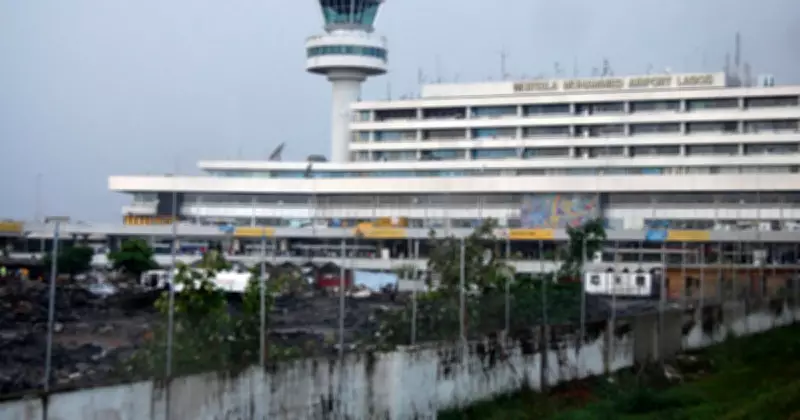
Lagos Airport Terminal 1 Fire: Server Room Blaze Halts Flights, 6 Hospitalized
On Monday afternoon, February 24, 2026, routine operations at Murtala Muhammed International Airport's Terminal 1 were abruptly transformed into a scene of thick smoke, blaring sirens, widespread confusion, and suspended flight schedules. The fire, which erupted around 3:00 p.m., created significant disruptions at Lagos's busiest aviation hub, diverting international aircraft, stranding numerous passengers, and triggering a multi-agency emergency response that persisted for several hours.
Origin and Spread of the Terminal 1 Blaze
Preliminary reports from the Federal Airports Authority of Nigeria (FAAN) indicate that the fire originated in a server room located on the first floor of the five-storey Terminal 1 building. Server rooms typically house critical IT infrastructure, power systems, communication equipment, and network hardware, creating high-energy environments where technical issues can escalate rapidly.
FAAN's initial findings suggest the fire spread upward, eventually reaching sections of the roof structure. While earlier briefings had suggested a ground floor origin, subsequent updates refined the account to pinpoint the server room as the source. Ongoing investigations are working to determine the precise cause, which may involve electrical malfunctions, overheated equipment, or other technical faults.
Human Impact and Flight Disruptions
The incident resulted in at least six people being hospitalized, with five ambulances observed evacuating injured airport users to the airport medical facility. Fortunately, no fatalities were recorded, a detail that FAAN officials repeatedly confirmed throughout the emergency response.
One particularly alarming development involved approximately 12 staff members who became trapped inside the control tower as the fire intensified. These individuals were eventually rescued using a construction crane. The disruption to control tower operations necessitated a complete halt to aircraft movements, preventing both landings and takeoffs.
Three major international flights were diverted as a result:
- British Airways redirected to Abuja
- Lufthansa diverted to Malabo
- Emirates also diverted to Malabo in Equatorial Guinea
Emergency Response and Official Actions
FAAN Managing Director Mrs. Olubunmi Kuku confirmed that the airport's Emergency Operations Centre was activated immediately following the fire outbreak. Standard emergency protocols were triggered, with multiple agencies coordinating evacuation efforts while police units and rescue helicopters supported operations.
Later that night, Minister of Aviation and Aerospace Development Festus Keyamo made an emergency visit to the airport around midnight. He commended FAAN personnel and first responders for their swift actions and ordered the FAAN Fire Department along with the Lagos State Fire Service to maintain an overnight vigil to ensure the fire was fully extinguished.
Context of an Ageing Terminal Infrastructure
Terminal 1 represents part of the airport's older infrastructure and had already been earmarked for comprehensive rehabilitation following the Federal Executive Council's approval of N712 billion for airport upgrades. Many operations had already shifted to Terminal 2 ahead of planned remodelling work, though Terminal 1 remains a crucial component of Nigeria's busiest international gateway.
Airlines' Response to the Crisis
Air Peace announced the temporary closure of the Lagos airfield following the outbreak at the old international terminal. The airline acknowledged delays across its network while assuring passengers that safety remained its top priority. Both inbound and outbound flights experienced disruptions due to safety clearance requirements and the gradual restoration of normal operations.
Ongoing Investigation and Future Implications
Based on official preliminary findings, the fire originated in a server room within Terminal 1, likely involving technical or electrical infrastructure. The exact trigger remains under investigation, with authorities confirming there is currently no evidence of sabotage or external attack.
What has been established is that emergency procedures were activated promptly, lives were protected, and no fatalities occurred despite the scale of disruption. As investigations continue, attention will likely shift toward prevention measures including strengthening fire detection systems, modernising ageing infrastructure, and ensuring renovation efforts adequately address the realities of operating a high-traffic international aviation hub.