The retirement of NASA's International Space Station (ISS) in 2030 has triggered an intense competition among private aerospace companies racing to launch the world's first commercial space station. American firm Vast has emerged as a key contender with its Haven-1 module scheduled for launch in May 2026.
New Players Enter the Space Station Market
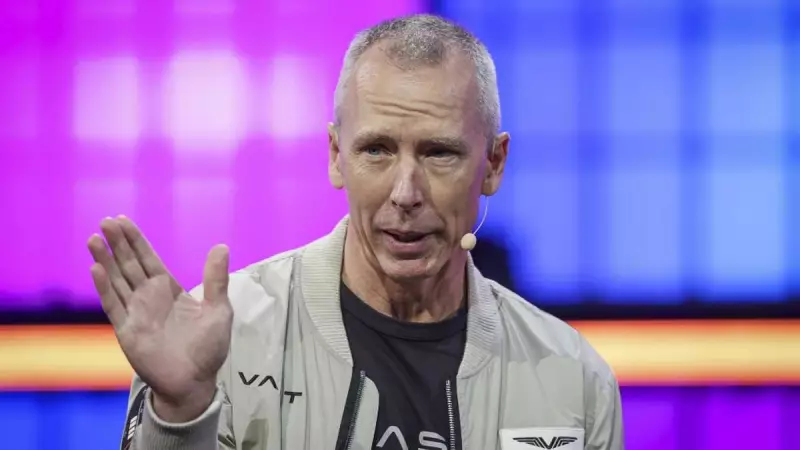
California-based Vast, founded in 2021 by billionaire Jed McCaleb, plans to launch Haven-1 in May 2026, a mini-station designed for comfort and multiple crew visits. According to former NASA astronaut Andrew Feustel, now a company advisor, Haven-1 has a three-year lifespan and will host crews of four astronauts at a time.
"For less than $100 million, you can put an astronaut in space on a Vast spacecraft," Feustel revealed during the Web Summit in Lisbon, highlighting the company's competitive pricing strategy. Vast ultimately aims to replace the ISS with a larger version called Haven-2.
Fierce Competition for NASA's $1.5 Billion Funding
The race features several major players including Axiom Space, Voyager Space partnering with Airbus, and Jeff Bezos's Blue Origin. These companies are competing for a crucial NASA budget of up to $1.5 billion earmarked for commercial space station development, with awards scheduled for April 2026.
Ugo Bonnet, director of the Spaceflight Institute, explained that "space agencies no longer want to manage the infrastructure" of the ISS. This shift in strategy represents a significant opportunity for private companies as NASA focuses instead on crewed missions to the Moon and establishing a lunar base.
Revolutionary Cost Reduction Driving Commercial Space
The commercial space station boom has been made possible by dramatically reduced space transportation costs. According to industry experts, the cost of sending one kilogram into space has dropped from $60,000 to under $200 with SpaceX's reusable launch vehicles and the upcoming Starship system.
Vast plans to launch Haven-1 using SpaceX's Falcon 9 rocket, while Axiom will utilize Crew Dragon capsules for its private missions. However, despite these cost reductions, operating commercial space stations remains expensive, raising questions about long-term profitability.
Beatrice Hainaut, a space policy researcher, expressed uncertainty about the projects' long-term profitability, though companies anticipate revenue from both government agencies and private clients. Vast projects that 85% of its crewed mission revenue will come from state agencies, with the remaining 15% from private customers.
This transition marks a fundamental shift in space exploration business models, opening new opportunities for countries worldwide, including Nigeria, to participate in space research and astronaut training through commercial providers rather than developing their own space programs from scratch.