Spain's Railway Network in Crisis After Second Deadly Incident
Spain's transportation system has been plunged into a state of emergency following a second fatal train crash within days of a devastating high-speed collision. The latest tragedy occurred on the evening of January 20, when a commuter train derailed near Barcelona, resulting in the death of the driver and injuries to at least thirty-seven passengers.
Details of the Barcelona Commuter Derailment
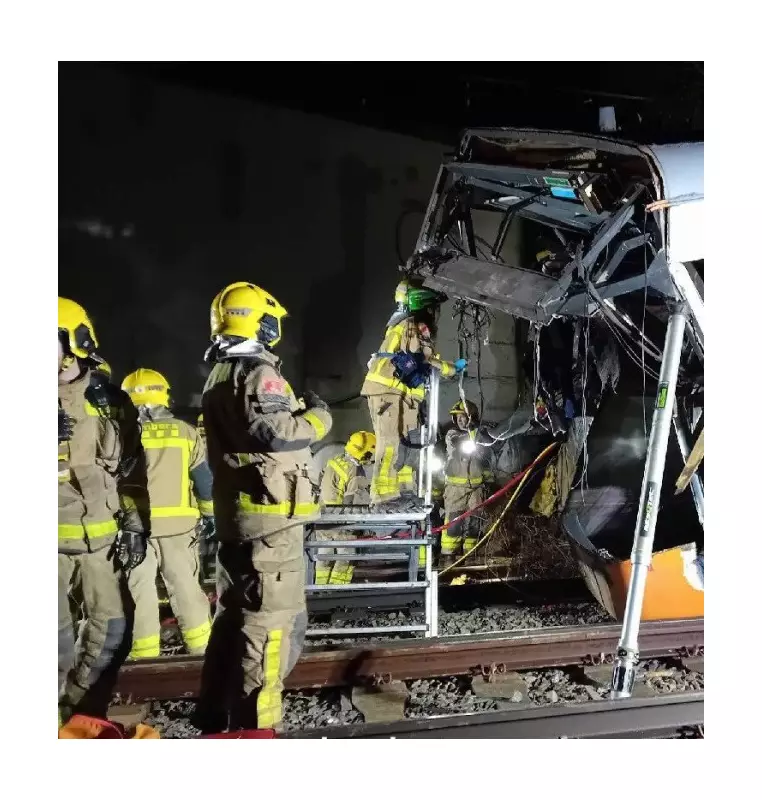
The accident happened between Sant Sadurní d'Anoia and Gelida stations, approximately twenty-one point seven miles west of Barcelona. According to reports, the train crashed into a retaining wall that had collapsed onto the tracks at around 9:02 PM local time. Emergency services responded swiftly, dispatching eleven ambulances to the scene.
Rescue operations were immediately launched, with firefighters successfully extracting one passenger who was trapped in the wreckage. Medical personnel treated all injured individuals at the site, with five passengers reported to be in serious condition. The majority of injuries were concentrated in the first carriage, which sustained the most severe impact against the fallen wall.
Weather and Infrastructure Failures
Preliminary investigations point to severe weather conditions as the primary cause of this disaster. Heavy rains and storms that have battered north-eastern Spain in recent days are believed to have caused erosion that weakened the retaining wall, leading to its collapse onto the railway tracks. This incident follows another minor derailment on the Barcelona commuter network just one day earlier, on Tuesday, when a train struck a rock dislodged by the same storm system. Fortunately, that earlier incident resulted in no injuries, though services were temporarily suspended.
Broader Context: Sunday's High-Speed Tragedy
This latest accident comes just days after a catastrophic high-speed train collision on Sunday, January 18, which claimed the lives of at least forty people. In that incident, a Madrid-bound train crossed into an adjacent track, creating what witnesses described as an incredibly violent impact with another train traveling to Huelva in the Andalusia region.
The Sunday collision involved approximately four hundred passengers and staff, with the force of the crash propelling some individuals hundreds of meters away from the wreckage and leaving others trapped in the mangled carriages. Rescue teams worked for hours to extract survivors from the debris.
Industry Response and Safety Concerns
The Spanish Union of Railway Drivers has issued a strong call for immediate action following these consecutive incidents. The union has demanded comprehensive inspections of the entire railway infrastructure to assess storm damage and has urged authorities to suspend Catalan commuter services until further notice. These demands highlight growing concerns about the resilience of Spain's transportation systems during extreme weather events.
Rail network operator Adif has acknowledged the role of storm-related hazards in both recent derailments, emphasizing the challenges posed by natural disasters to transportation safety. The back-to-back accidents have raised serious questions about maintenance protocols and emergency preparedness within Spain's railway network.
As investigations continue into both the Barcelona derailment and Sunday's high-speed collision, transportation authorities face mounting pressure to implement enhanced safety measures and infrastructure improvements to prevent future tragedies.