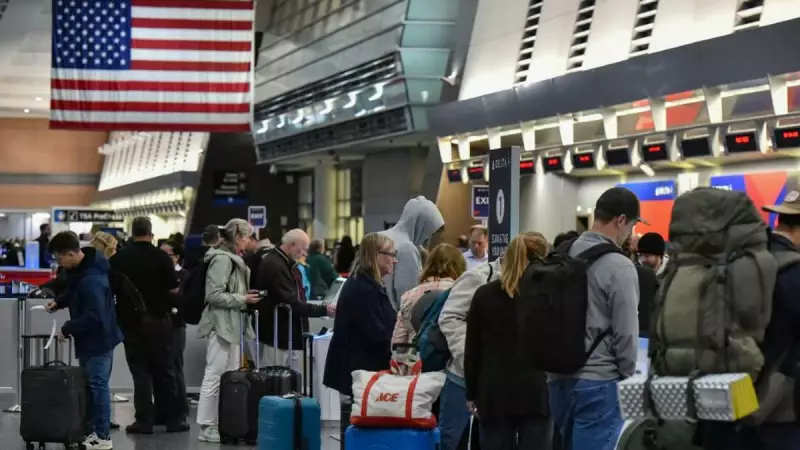
The United States air transportation system is showing strong signs of recovery following the conclusion of a record-long government budget shutdown that had severely disrupted flight operations across the country.
Government Shutdown Impact on Aviation
The budget crisis, which began on October 1, 2025, finally ended on Wednesday, November 12, after lasting more than a month. During this period, hundreds of thousands of federal employees faced furloughs, while essential workers, including air traffic controllers, were required to work without receiving their regular paychecks.
Transportation Secretary Sean Duffy confirmed the improving situation in a social media update posted on Friday. "Yesterday was one of the best days our airspace had in a while with just a few air traffic controllers calling out from work," he stated on his X account, formerly known as Twitter.
Gradual Return to Normal Operations
Despite the positive developments, the Federal Aviation Administration (FAA) maintained its six percent reduction in domestic flights at twelve high-traffic airports, a measure originally implemented on November 13. This precautionary limitation remains in effect until further notice as authorities continue monitoring the recovery process.
Secretary Duffy emphasized that officials are "reviewing the data provided and working hard for a return to normal airspace operations." The workforce challenges were particularly acute given that the air traffic control system was already experiencing staff shortages before the budget shutdown began.
Current Flight Cancellation Statistics
According to aviation data provider Cirium, the recovery appears to be gaining momentum. Only two percent of scheduled flights across the United States had been canceled on Friday morning, indicating substantial improvement from the peak disruption period.
Some airports experienced more significant impacts than others. The facilities in Atlanta, Chicago-O'Hare, Newark, Dallas Fort Worth, and Denver were among the most affected, each reporting approximately twenty flight cancellations as the system works toward full normalization.
The aviation industry continues to closely monitor the situation as both government agencies and airline operators collaborate to restore complete stability to the national airspace system following the challenging shutdown period.