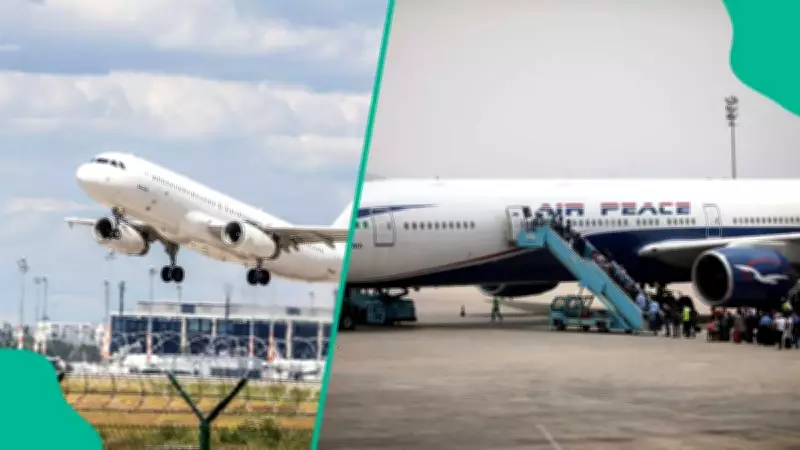
Why Most Aircraft Are Painted White: Key Reasons Explained
Published 29 Jan 2026 at 6:24 PM by Oluwatobi Odeyinka
Most commercial and private aircraft around the world share a common feature despite differences in branding and design: a white exterior. Although planes can technically be painted in almost any colour, white has remained the dominant choice in the aviation industry. According to aviation experts, the preference is driven by a mix of safety, cost, maintenance, and operational considerations.
When aircraft leave the manufacturer’s assembly line, they are often coated in a green zinc phosphate primer, which is why test aircraft may appear green during flight trials. While repainting is not mandatory, most planes are finished in white before being delivered to operators.
1. Heat Management Benefits
White surfaces reflect sunlight more effectively than darker colours, which absorb heat. This helps keep cabin temperatures lower, particularly when aircraft are parked on hot runways, and can assist manufacturers in staying within temperature limits for the airframe. White paint helps aircraft reflect heat and manage cabin temperatures more efficiently, which is crucial for passenger comfort and operational safety.
2. A Practical Base for Branding
A white fuselage provides a neutral background for airline logos and liveries. While some operators opt for bold designs for marketing purposes, white remains the preferred base colour because it allows branding elements to stand out clearly. This makes branding easier and supports higher resale value, as new owners can easily apply their own branding without the expense of stripping a dark paint scheme.
3. Higher Resale and Charter Appeal
Aircraft painted white generally maintain higher resale value. Charter operators also benefit, as neutral colours appeal to a broader range of customers. This economic advantage is significant in the competitive aviation market, where asset liquidity and versatility are key factors.
4. Slower Ageing and Reduced Repainting Costs
White paint is more resistant to fading caused by prolonged exposure to sunlight at high altitudes. As a result, white aircraft typically require repainting every four years rather than every two. This is significant, given that repainting an aircraft can cost between $100,000 and $350,000, making white a cost-effective choice over the long term.
5. Easier Inspections and Maintenance
According to industry specialists, structural cracks, corrosion, and oil leaks are easier to detect on white surfaces. Although dirt may be more visible, cleaner aircraft also experience improved fuel efficiency due to reduced drag. This enhances safety and operational efficiency, contributing to lower maintenance costs.
6. Improved Visibility for Safety
White aircraft are easier to see in the sky and at night, which enhances safety. This differs from military aircraft, which are painted in camouflage colours to reduce visibility. The high visibility of white planes helps in air traffic control and reduces the risk of mid-air collisions.
7. Lower Cost and Passenger Perception
White paint is widely available and less expensive than specialised colours. In addition, studies indicate that passengers tend to feel more comfortable and secure flying in aircraft with traditional white paint schemes. This psychological factor can influence airline choice and customer satisfaction.
In summary, the prevalence of white aircraft is not merely a stylistic choice but a strategic one driven by practical benefits. From heat reflection and cost savings to safety enhancements and branding flexibility, white paint offers multiple advantages that support the operational and economic goals of the aviation industry. As airlines continue to navigate financial challenges, such as blocked funds reported by IATA, these cost-effective measures become even more critical for sustainability and growth.